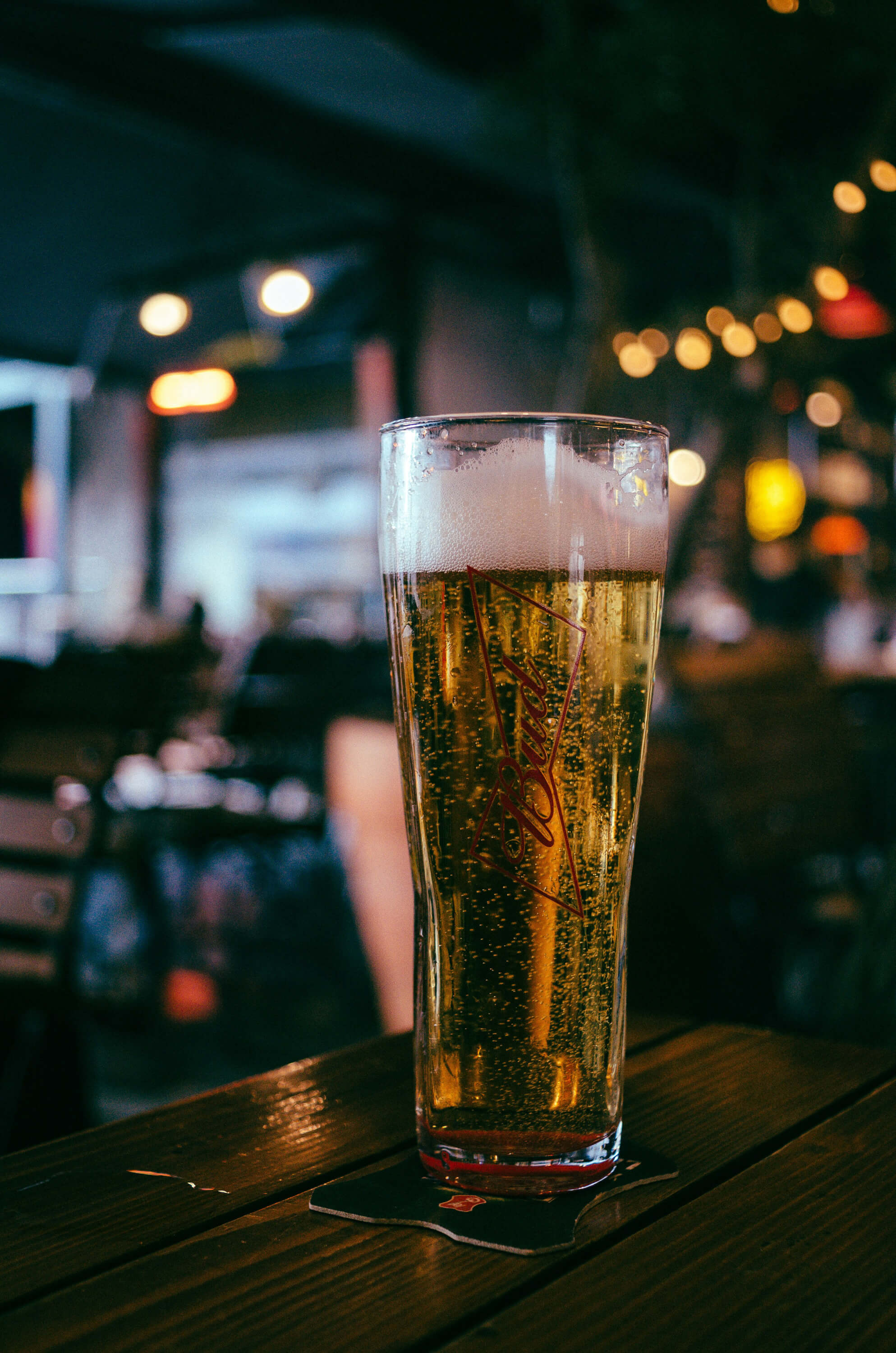


How can you preserve the foam on your beer ?
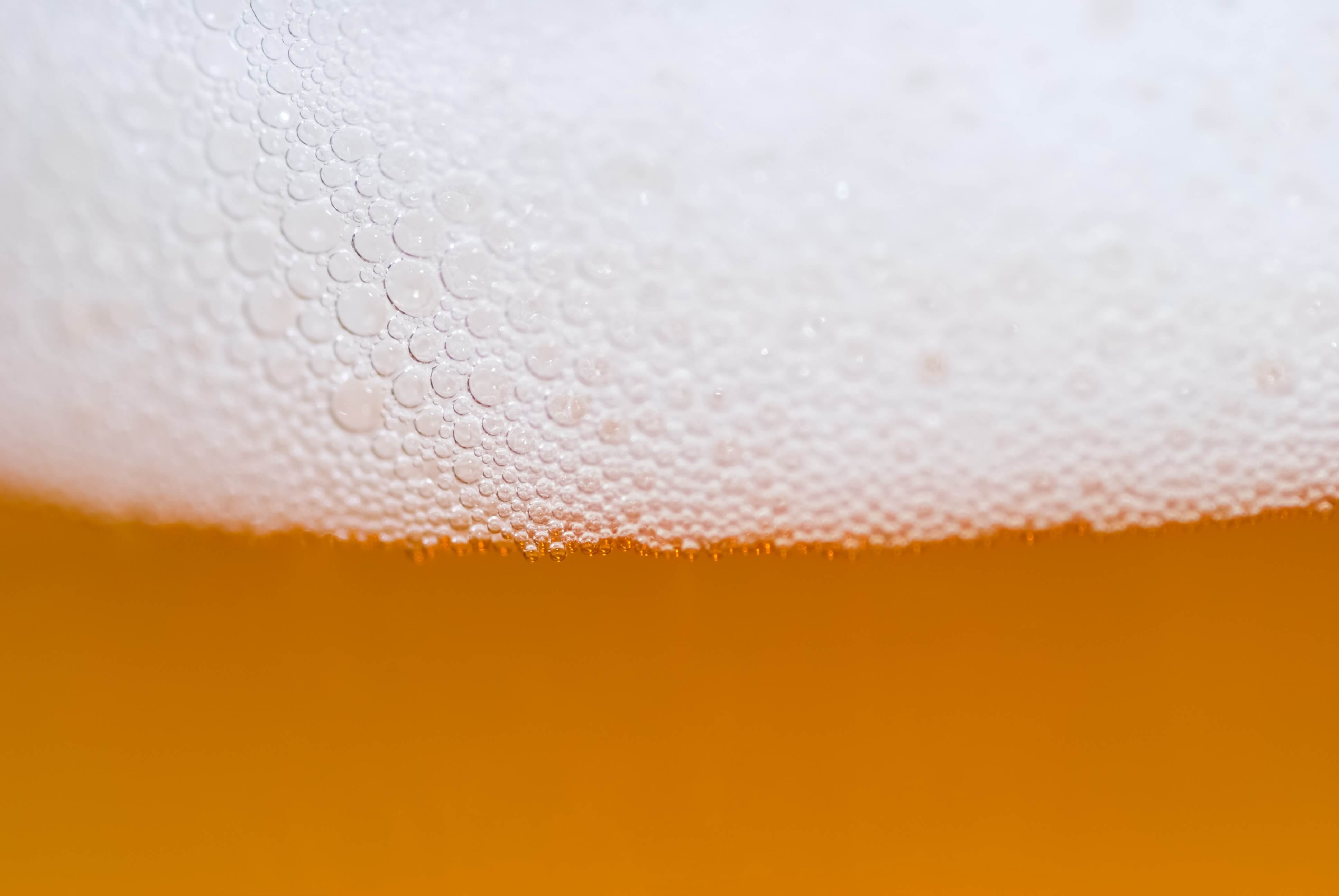
Is your home-brewed beer lacking foam? Achieving a good beer head can be tricky if the right conditions aren't met. From glass cleanliness to CO₂ levels, many factors influence foam stability. In this guide, we’ll explain how beer foam forms and what you can do to improve it.
To understand foam formation, let’s look at the science behind it:
Inside a sealed beer bottle, the pressure is higher than outside, keeping carbon dioxide (CO₂) dissolved in the liquid. When the bottle is opened, the pressure drops, causing CO₂ to escape and rise to the surface. This gas carries compounds that form the bubble membrane—typically short-chain molecules that help create small, stable bubbles. Larger bubbles are less stable and tend to burst quickly. So, foam is the result of a well-balanced beer composition.
Key factors for better beer foam
1. Add maltodextrins: These non-fermentable, short-chain sugars support head retention. They’re produced at the alpha-amylase temperature range of 71–73°C.
2. Use sufficient hops: Hops with a high alpha acid content contribute bitterness. These compounds isomerize during boiling and enhance foam structure.
3. Boil long enough: Boiling for 60–90 minutes ensures proper isomerization of alpha acids, which helps develop a stable head.
4. Add protein-rich grains: Wheat, oats, rye, and unmalted barley are excellent for improving head retention due to their high protein content.
5. Perform a protein rest: If your recipe includes more than 25% unmalted grains, hold a protein rest at 52°C for 15 minutes to extract additional proteins from the wort.
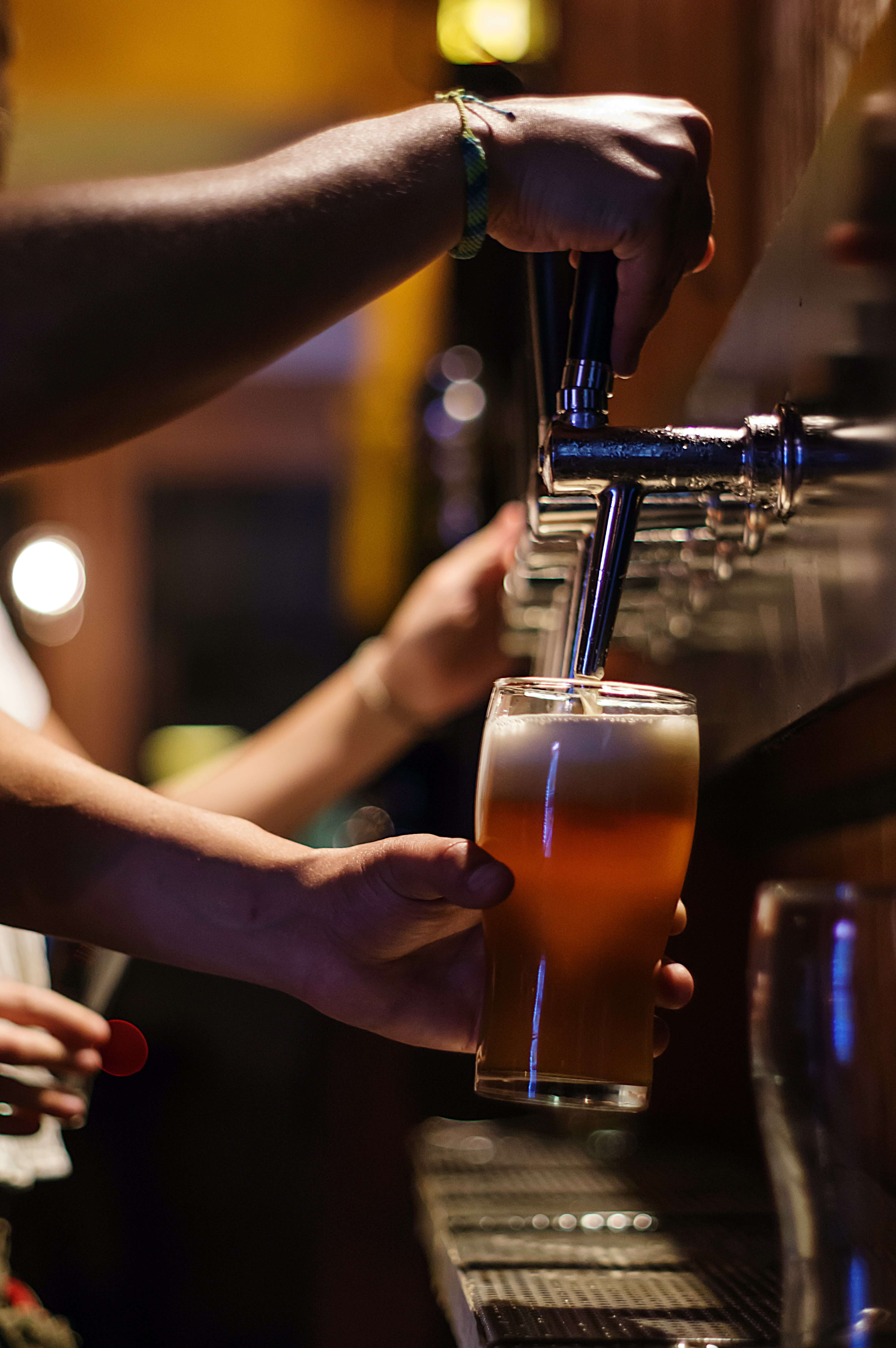
6. Avoid fats and oils: Even fingerprints on glasses can negatively affect foam. Keep all equipment and glassware grease-free.
7. Rinse your glass thoroughly: Residual detergents can destroy beer foam. Always rinse well with clean water before serving.
8. Serve at the right temperature: Depending on the beer style, serve between 5°C and 8°C to maintain ideal carbonation and foam.
9. Ensure adequate CO₂ production: For bottle conditioning, add 7–8 grams of priming sugar per litre to promote natural carbonation.
10. Inspect your glassware: Surface imperfections can harbor calcium oxalate crystals, which affect carbonation and bubble formation.
11. Sterilize caps and bottles: Contamination can cause over-foaming upon opening. Always sanitize your brewing equipment thoroughly.
By following these tips, you’ll be able to pour a beer with a perfect, lasting head—just like the pros!
Read other articles : How to serve a beer ? and How do you wash a Kwak glass ?