

The primary fermentation of beer
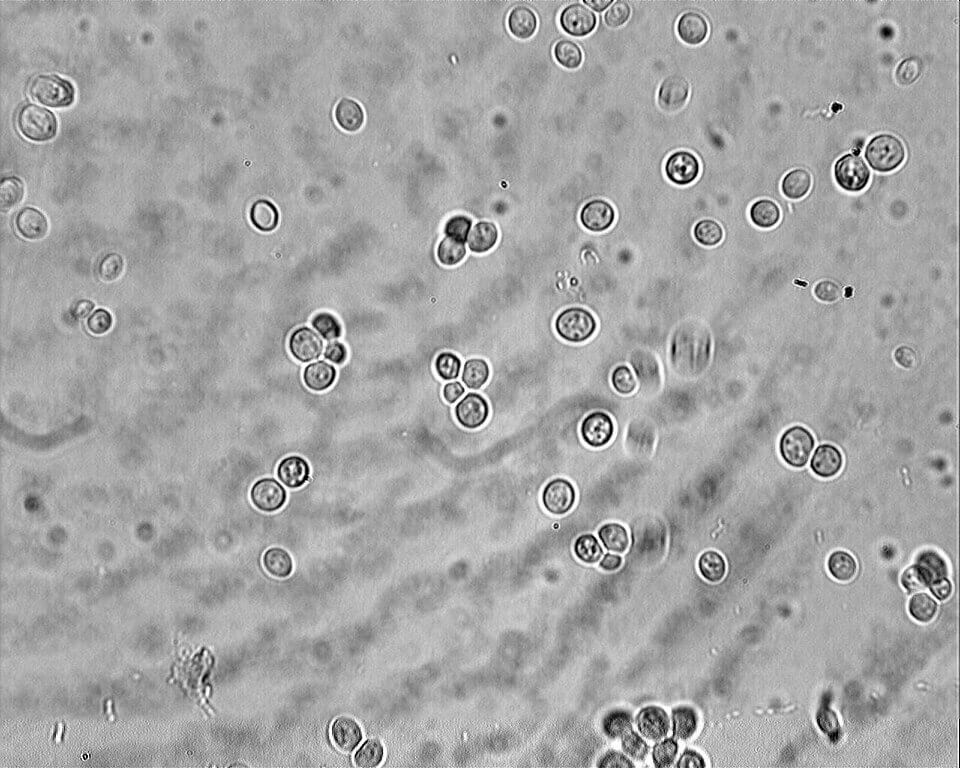
Primary fermentation is the crucial stage that begins when yeast—a single-celled organism and the brewer’s key partner—is added to the wort. It’s essential to create ideal conditions (wort composition, aeration, temperature, etc.) for the yeast to thrive and begin fermentation.
Primary fermentation explained by PerfectDraft
Fermentation typically lasts between 7 and 14 days, depending on the wort's composition (including complex fermentable sugars), the selected yeast strain, and environmental conditions. During this phase, yeast converts the fermentable sugars into alcohol and carbon dioxide. The alcohol remains in the beer, while the carbon dioxide—less soluble—escapes through the airlock.
When dry yeast is used, fermentation can be broken down into three distinct phases:
- Adaptation or Rehydration Phase
- Multiplication Phase
- Fermentation Phase
How yeast affects the final beer
In addition to alcohol production, yeast induces several critical transformations that influence the beer’s final quality and aroma. Yeast produces higher alcohols and esters, which contribute to the beer’s aromatic profile. It also releases organic acids that lower the pH of the beer, facilitating the precipitation of complex nitrogenous and bitter hop compounds.
As CO2 is released, it forms Kräusen—a foam layer rich in bitter substances that adhere to the fermenter walls. During flocculation, yeast absorbs these bitter compounds and carries them to the bottom of the tank. The fermentation process is monitored by tracking the beer’s density: sugar, which is heavier than water, is gradually replaced by lighter alcohol, causing the density to drop as fermentation progresses.
Factors influencing fermentation
Yeast strain selection:
Each strain has unique traits, such as ester production and residual sugar consumption. High fermentation temperatures tend to increase the production of higher alcohols.
Yeast quantity:
An adequate amount of yeast is required to ensure complete fermentation. Vitality refers to the yeast’s energy reserves and ability to initiate fermentation, while viability indicates the proportion of live cells.
Suspension homogeneity:
To ensure efficient fermentation, yeast must be evenly distributed throughout the wort. Keep in mind the yeast’s flocculation capacity, or its ability to clump and settle at the bottom.
Fermentation tank design:
The geometry of the tank also affects yeast behavior and fermentation efficiency.
Wort aeration:
Oxygen is critical for yeast multiplication, so proper wort aeration is essential.
Wort composition and pH:
Elements like nitrites, nitrates, manganese, excess iron, copper, and potassium can negatively affect yeast performance and should be managed carefully.
As you can see, yeast is a vital component of the brewing process. When handled with precision, it transforms simple ingredients into a flavourful and well-crafted beer.
Discover other articles : The new Hawkstone keg for the PerfectDraft beer tap and The best food and beer pairings for Porter.