

How long can beer last in a keg ?
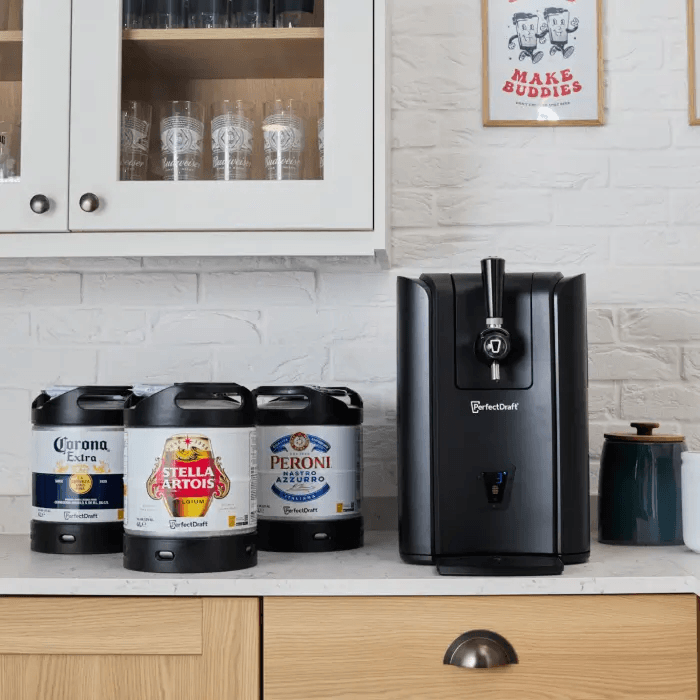
You have already an answer with this article How long will a keg of beer last ?. If you’re using a PerfectDraft machine or browsing kegs for your next gathering one question always pops up: can beer last in a keg? It’s not just about keeping beer drinkable it’s about preserving that crisp fresh taste that makes draft beer special. Whether your keg is sitting in a cooled machine or tucked away in storage several factors influence how long it stays enjoyable.
PerfectDraft users often expect consistency and rightly so. With the right setup and a bit of attention a keg can last far longer than many people assume. But the answer isn’t one-size-fits-all. It depends on storage conditions whether the keg has been tapped and how it’s handled along the way.

How long can beer last in a keg under different storage conditions ?
So how long can beer last in a keg when stored properly versus improperly? If a keg remains sealed and refrigerated at a stable temperature ideally around 3–5°C it can stay fresh for several months. Many kegs are designed to preserve beer in near-perfect conditions until they are opened keeping oxygen out and carbonation intact.
Temperature plays a huge role. Beer stored constantly cold ages much slower. Even slight fluctuations can accelerate chemical reactions that dull flavors. A keg kept at room temperature might still be safe to drink after a few weeks but the taste will degrade much faster sometimes developing stale or cardboard-like notes.
Once you move into less ideal conditions things change quickly. Exposure to air is the main culprit. A sealed keg protects beer from oxidation but once opened oxygen begins to interact with the liquid. That’s when freshness starts to decline.
A sealed keg stored cold can last months while a tapped keg exposed to air may lose its freshness in just days.
Improper storage like leaving kegs in warm environments or moving them frequently can also disturb sediment and affect clarity. For users of PerfectDraft systems the controlled environment helps extend shelf life making it easier to maintain quality over time.
What affects the freshness and taste of keg beer over time
Time alone doesn’t determine whether your beer still tastes good. Several external factors influence how long beer lasts in a keg and whether it remains enjoyable.
Light exposure is one of the more overlooked issues. While kegs are usually opaque repeated handling or improper storage in bright environments can still affect temperature stability indirectly harming flavor. Pressure is another key element. Incorrect pressure levels can lead to flat beer or excessive foam both signs that something isn’t quite right.
The type of gas used matters as well. Carbon dioxide helps maintain carbonation and prevents oxygen from entering the keg. On the other hand using air introduces oxygen which speeds up oxidation and shortens the lifespan significantly.
Hygiene is often underestimated. Dirty lines or poorly maintained dispensing systems can introduce bacteria leading to sour or off-putting flavors. Even if the beer is technically safe to drink the taste can become unpleasant.
How long can beer last in a keg once tapped and how to extend it
Once tapped the question becomes more specific: how long can beer last in a keg after opening? The answer depends heavily on the dispensing method.
If the keg uses carbon dioxide the beer can stay fresh for 2 to 4 weeks sometimes longer under ideal conditions. CO2 preserves carbonation and keeps oxygen out which is why systems like those used by PerfectDraft are so effective.
If an air pump is used instead the timeline shrinks dramatically. Beer may only last 24 to 48 hours before noticeable flavor degradation occurs. Oxygen exposure speeds up staling and can quickly ruin the drinking experience.
Once oxidation begins the original flavor profile cannot be restored even if the beer still appears drinkable.

Serving and storage tips from PerfectDraft to maximize keg lifespan
PerfectDraft isn’t just about convenience it’s about preserving beer in optimal conditions from the first pour to the last. Getting the most out of your kegs comes down to a few practical habits.
Start with temperature. Most beers perform best between 3°C and 6°C. Too cold and flavors become muted; too warm and carbonation becomes unruly. A consistent environment inside a PerfectDraft machine keeps everything balanced.
Handling also matters more than people expect. Moving a keg too often can disturb sediment leading to cloudy pours and inconsistent taste. Letting the keg settle after transport is a simple but effective step.
Cleanliness is another key factor. Even small residue buildup in dispensing systems can affect taste. Regular cleaning prevents microbial growth and keeps each glass tasting as intended.
- Flat or dull taste often means pressure issues
- Sour or unusual aromas may indicate contamination
- Cloudiness can signal disturbed sediment or spoilage
- Loss of aroma suggests oxidation
- Keep the keg consistently refrigerated
- Avoid unnecessary movement or shaking
- Maintain proper pressure levels
- Clean lines and equipment regularly
- Pour beer regularly to prevent stagnation
- Store kegs upright to maintain pressure stability
- Avoid exposing kegs to sudden temperature changes
- Use fresh glasses to preserve carbonation and aroma
- Check connections to prevent gas leaks
Consistency in storage temperature handling and cleanliness is what ultimately preserves both freshness and taste.
Discover other articles !
- How many beer in a keg ?
- How long will keg beer last ?
- Where can i buy a keg of beer near me ?
- Where to order kegs of beer ?
- How long do beer kegs last ?
- How much does it cost for a keg of beer ?
- How many liters of beer in a keg ?
- Where can i buy a keg of beer ?
- How much beer is in one keg ?
- How many beers in a half keg of beer ?
- How many liters in a beer keg ?
- How many cans of beer in a keg ?
- How many liters are in a keg of beer ?
- How much beer is in a half a keg
- How much do beer kegs weigh ?
- Where to buy beer keg ?
- Where to order a keg of beer ?
- Can you bottle beer from a keg ?