

The power of Barleywine beer
Did you know that barleywine can trace its origins back to Ancient Greece? At the time, a fermented grain-based beverage known as “barley wine” existed, although it was very different from the modern barleywine we know today — mainly because hops were not yet used. Over the centuries, this powerful beer style evolved, distinguishing itself from traditional ales and attracting enthusiasts looking for bold, complex flavours. After exploring the Saint-Feuillien brewery and Rauchbier, the queen of barbecue beers, let’s now discover one of the strongest and richest beer styles in the world: barleywine.
Barleywine: A Strong Ale with a Rich History
The first commercial barleywine is generally associated with Bass No. 1 Ale, launched around 1870 in England. However, it was in 1976 that the style truly gained recognition in the United States. Their iconic Old Foghorn introduced American drinkers to this bold style. To avoid confusion with actual wine, the brewery intentionally kept “Barleywine” as a single word on the label.
Barleywine earns its name from its high alcohol content, typically ranging between 8% and 12% ABV — similar to many wines. Despite this strength, it remains a true beer, brewed from malted barley rather than grapes.

American vs English Barleywine
There are two main styles of barleywine: American and English.
The American barleywine typically displays a golden to amber colour with pronounced hop bitterness and bold resinous or citrus notes.
The English barleywine, by contrast, leans toward deep amber, ruby or even dark brown hues. It is generally less bitter, with a stronger focus on malt sweetness and fruity esters.
Both styles share complex aromatic profiles, often featuring notes of caramel, dried fruit, toasted bread, molasses, biscuit, toasted malt, and — when aged — hints reminiscent of port wine.
Barleywine stands apart for its intensity, richness and depth. Its texture can be sweet and syrupy, balanced by hop bitterness that prevents it from becoming cloying. While this description reflects common characteristics, each barleywine has its own distinctive personality.
One of the most fascinating aspects of barleywine is its ageing potential. When stored under proper cellar conditions, it can mature for many years, developing new layers of flavour and complexity.
In short, barleywine is powerful, complex and high in alcohol — yet refined and rewarding. It is best enjoyed in a balloon glass to fully appreciate its aromas, and ideally shared, as a 33cl bottle can feel intense when enjoyed alone, especially for those new to the style.
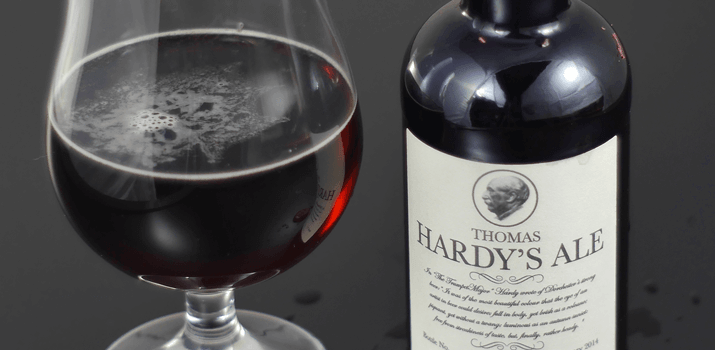
If you are looking for barleywines to age in your cellar, consider Thomas Hardy's Ale, La Débauche Cognac Barrel, the range from De Dochter Van de Korenaar, or L’Anniversary BarleyWine 2018 from Sori Brewing. With so many outstanding options available, the only challenge is choosing your next bottle.