

Rochefort Abbey and Belgian Trappist beer
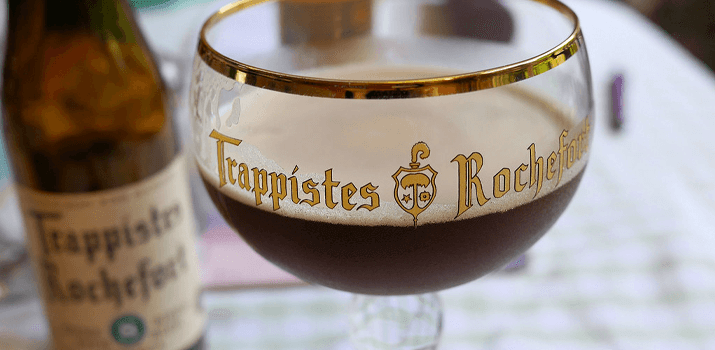
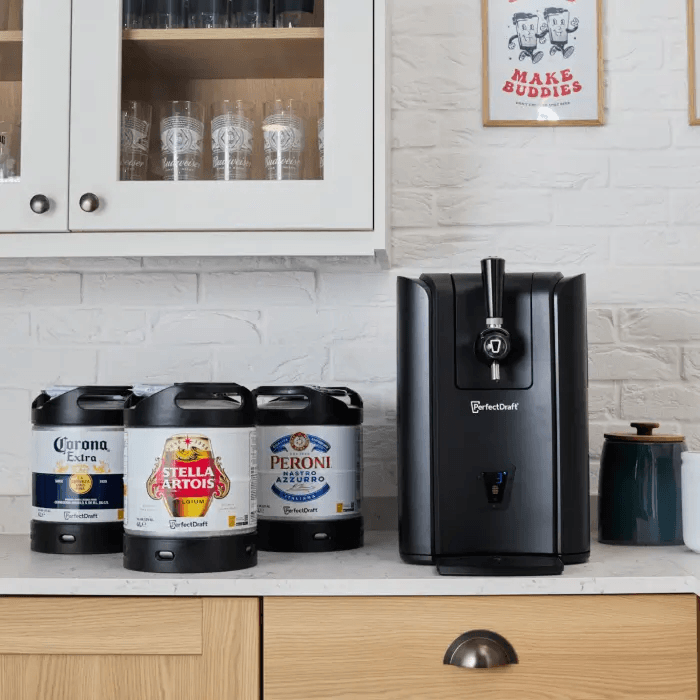
The Trappist beer family continues to grow, spreading from the United States to England, Italy, Austria and Belgium. Among the most iconic is Rochefort, a historic Belgian brewery whose origins are closely linked to its abbey, founded in 1230. With PerfectDraft, you can also discover other renowned European breweries such as Kees in the Netherlands and Engelszell in Austria.
Rochefort Abbey
The Belgian abbey of Notre-Dame-de-Saint-Rémy de Rochefort, more commonly known as Rochefort Trappist Abbey, was founded in 1230. Its history was deeply marked by the French Revolution, during which soldiers looted and destroyed the site. Abandoned for years, the abbey was sold in 1805 to a Republican commissioner named Louis-Joseph Poncelet.
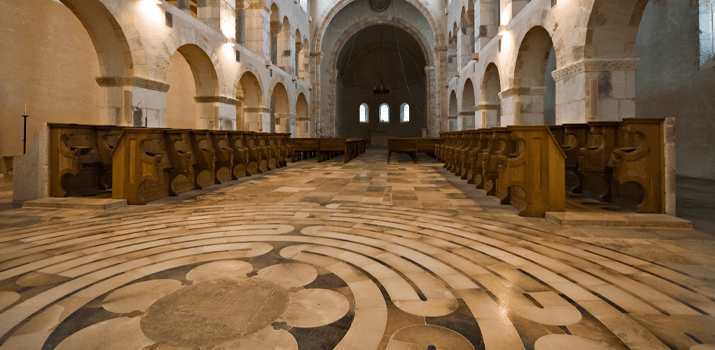
Intent on recovering building materials, he demolished the church and monastic buildings. Over time, the property passed through several owners before being acquired by Abbot Seny, who donated it to the Cistercian-Trappist monks of Achel Abbey in Limburg. In 1887, the monks settled there to revive monastic life, which had ceased a century earlier. Initially living from agriculture, they decided in 1889 to build a brewery, although the first beers were not brewed until 1900.
The beginnings of brewing
With more than fifty years of brewing experience at Achel Abbey, the monks arrived in Rochefort with strong expertise, allowing them to quickly produce high-quality beer. At the time, brewing was overseen by Paulin Cattoir, who would later become a key figure in the brewing world after the First World War. Although production remained limited for decades, a major investment in 1952 marked a turning point, significantly improving both quality and capacity.
From that point on, agriculture was abandoned entirely in favour of brewing. During the 1970s, all brewing equipment was modernised. Today, Rochefort produces around 1,100 hectolitres of beer per week. The secret behind its exceptional beers lies in the natural water drawn from the Tridaine spring and the use of the abbey’s own unique yeast.
The three Rochefort Trappist beers
Brewed in deliberately limited quantities by Trappist monks, Rochefort produces three top-fermented dark beers, each with its own distinctive character. Despite their numerical names, these figures do not correspond to alcohol content but to an old Belgian gravity scale indicating the original wort density before fermentation.
La Trappiste Rochefort 6 – red cap
This dark dubbel has an alcohol content of 7.5% and is the oldest of the three Rochefort beers. It recalls the character of old Burgundy wines, with a clear mahogany colour, a fine beige head and aromas of grapes, caramel and spices. On the palate, it offers sweet, toasted flavours with a subtle bitterness.
Rochefort 8 Trappist Beer – green cap
This dark strong ale reaches 9.2% alcohol. It displays a brown colour with copper highlights and a fine beige head. The nose reveals aromas of dried fruit, nuts, cocoa, figs, spices and roasted malt, while the palate delivers rich caramel notes balanced by a pronounced bitterness.
Rochefort 10 Trappist Beer – blue cap
Created after the Second World War, this quadrupel is the strongest at 11.3% alcohol. Dense and well balanced, it features a dark colour and a fine beige head. Aromas of chocolate, caramel and dried fruit lead to flavours of caramel, plum, cocoa, spices and roasted malt, resulting in a complex yet harmonious bitterness. It is fittingly nicknamed “La Merveille” (The Marvel).
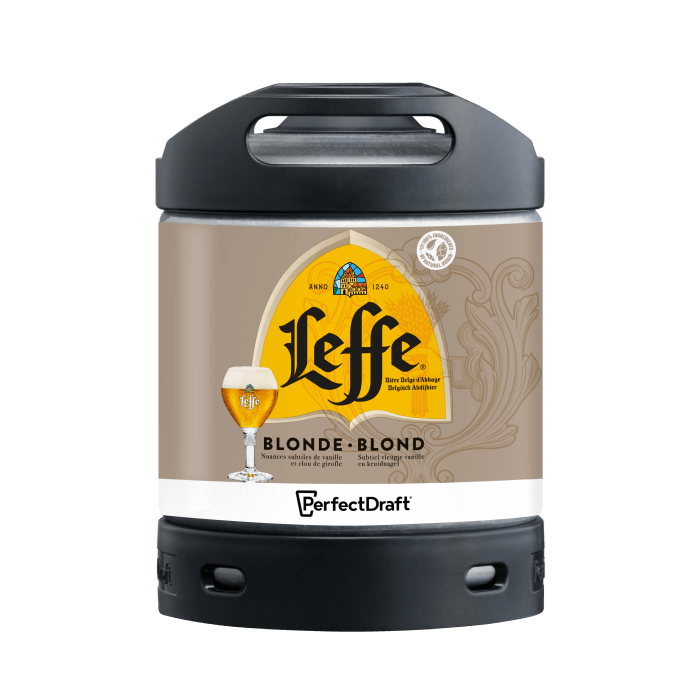
If you enjoyed these beers, be sure to explore other iconic Trappist beers brewed in authentic abbeys, all using unique yeasts, such as Westvleteren, the pale ale Westmalle, the amber Orval, Chimay and the latest addition, the dark English Trappist beer Tynt Meadow.
ALCOHOL ABUSE IS DANGEROUS FOR YOUR HEALTH. PLEASE DRINK RESPONSIBLY.