

Umami, a fifth flavor in beer
You are probably familiar with the four basic tastes: sweet, sour, bitter, and salty. But have you heard of umami, the often-overlooked fifth taste that also plays a role in beer?
The mystery of umami
Derived from Japanese, umami literally means “delicious taste,” with umai meaning “delicious” and mi meaning “taste.” For years, scientists debated whether umami qualified as a basic taste, until it was officially recognized in 1985 as the flavor of nucleotides and glutamates.
In practice, umami is often described as a savory, brothy, or meaty sensation that lingers on the palate. It results from tongue cell receptors detecting glutamates, balancing and rounding out flavors with remarkable depth. Though it might seem new, glutamate has long been part of human diets—fermented fish sauces were already enhancing meals in Ancient Rome.

The taste was first identified in 1908 by Japanese chemist Kikunae Ikeda, who discovered its chemical foundation and coined the term “umami.” Iconic flavor pairings such as Parmesan with tomato and mushroom sauce, or Chinese cabbage in chicken broth, illustrate how umami-rich ingredients enhance each other, creating a more intense culinary experience.
Beers and umami
Umami is naturally present in many foods—fish, shellfish, meats, vegetables—and yes, in beer. Certain beer styles showcase umami’s depth particularly well. From gose to imperial stout, these beers provide that savory, coating mouthfeel often associated with aged or fermented products.
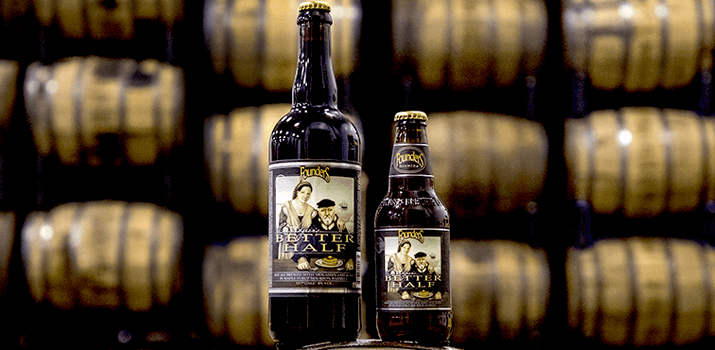
Take Scotch ale or old ale, for example. These styles feature aged, malty notes with hints of wood or candied fruit. A prime example is Curmudgeon’s Better Half from American brewery Founders: a powerful yet sweet ale with touches of dried fruit and oak. Its oily texture coats the tongue, inviting sip after sip.
In a completely different register, the gose offers mineral, saline complexity. Traditionally brewed with sea salt and herbs, it achieves a unique balance that awakens the palate. The salt is subtle, blending seamlessly into a refreshing, slightly tart whole. Notable examples include La Manchurita from Spanish brewery Nómada, Orange Gose from Estonian brewer Põhjala, and Mr. Blonde from Danish brewery To Øl.
Finally, no discussion of umami in beer would be complete without the stout. Dark, creamy, and indulgent, stouts are ideal for pairing with chocolate or coffee. Breweries like Kees (with its Caramel Fudge Stout), Omnipollo (with Noa Pecan), and Põhjala (with CocoBänger) create dessert-like beers rich in layers of flavor. These stouts embody the depth and satisfaction of umami, offering a sensory experience you won’t forget.
Alcohol abuse is dangerous for your health. Please drink responsibly.
Read other articles : Perfect crushing for ideal grinding for beer brewing, The Warsaw Beer Festival and What is draught beer ?