

Unmalted cereals for beer
As you experiment with home brewing, you may notice the use of raw grains in some recipes. But why use them in beer? How should you use them? Here are the answers you’ve been looking for:
From an economic standpoint, raw grains are a cheaper ingredient than malt. Technologically, they lower the soluble nitrogen content in the wort, resulting in beers with improved ageing stability. They also provide an extra source of starch to increase fermentable sugars, and can boost the protein content of your wort, influencing the body and mouthfeel of your beer. These ingredients can be powerful tools in refining your brewing technique.
Common brewing adjuncts include corn, rice, sorghum, wheat, and various types of flakes.
Corn (the most commonly used):
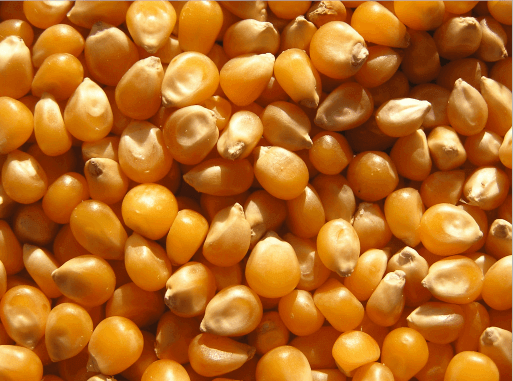
Corn endosperm is the world’s largest source of starch. Corn makes beer smoother and reduces its malty character. Primarily used in top-fermented beers, it lends a clearer, more golden hue to the brew. It can make up to 40% of the total grain bill. It’s best to use corn flakes, as raw corn contains lipids in the germ that can impair head retention and lead to oxidation. In flake form, the germ is removed, avoiding these issues.

Rice:
Rice creates paler, drier beers that let hop aromas shine through. It can be used up to 15% of the total grain bill. Naturally gluten-free, it’s also ideal for brewing gluten-free beers.
Sorghum:
“Where barley doesn’t grow, sorghum thrives.” Native to Ethiopia, sorghum is widely cultivated in West Africa for its heat resistance and is also grown in southwestern France. Naturally gluten-free, sorghum provides excellent antioxidant properties that enhance beer stability. However, it contains phenolic compounds that can influence the beer’s flavor.
Wheat and spelt (a variety of wheat):
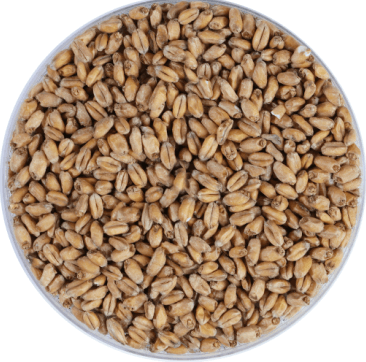
Wheat is widely used in German and Belgian wheat beers. In German, “weisse” means “white” and “weizen” means “wheat”—hence the link between white beer (weissbier) and its wheat content! Wheat contains more protein than barley, improving foam stability and creating the signature cloudy appearance due to protein concentration.
Oat flakes:
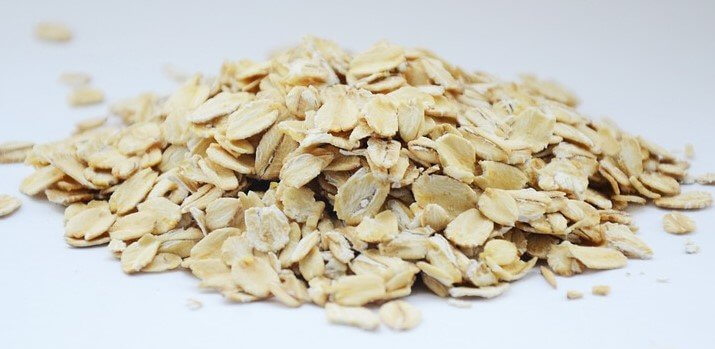
In flake form, the starch in oats becomes soluble and accessible to enzymes during mashing. Oats add body, creating a silkier, creamier, and hazier beer. This texture works beautifully in styles like stouts or New England IPAs. However, using more than 15% oats in your grain bill can make lautering and filtration more challenging and time-consuming.
Now you’re ready to experiment with the grain that piqued your interest. Cheers!
ALCOHOL ABUSE IS DANGEROUS FOR YOUR HEALTH. PLEASE DRINK RESPONSIBLY.
Discover other articles : Halloween pumpkin beer cake recipe and Trappist beers, ancestral expertise !