
What is an alpha acid ?
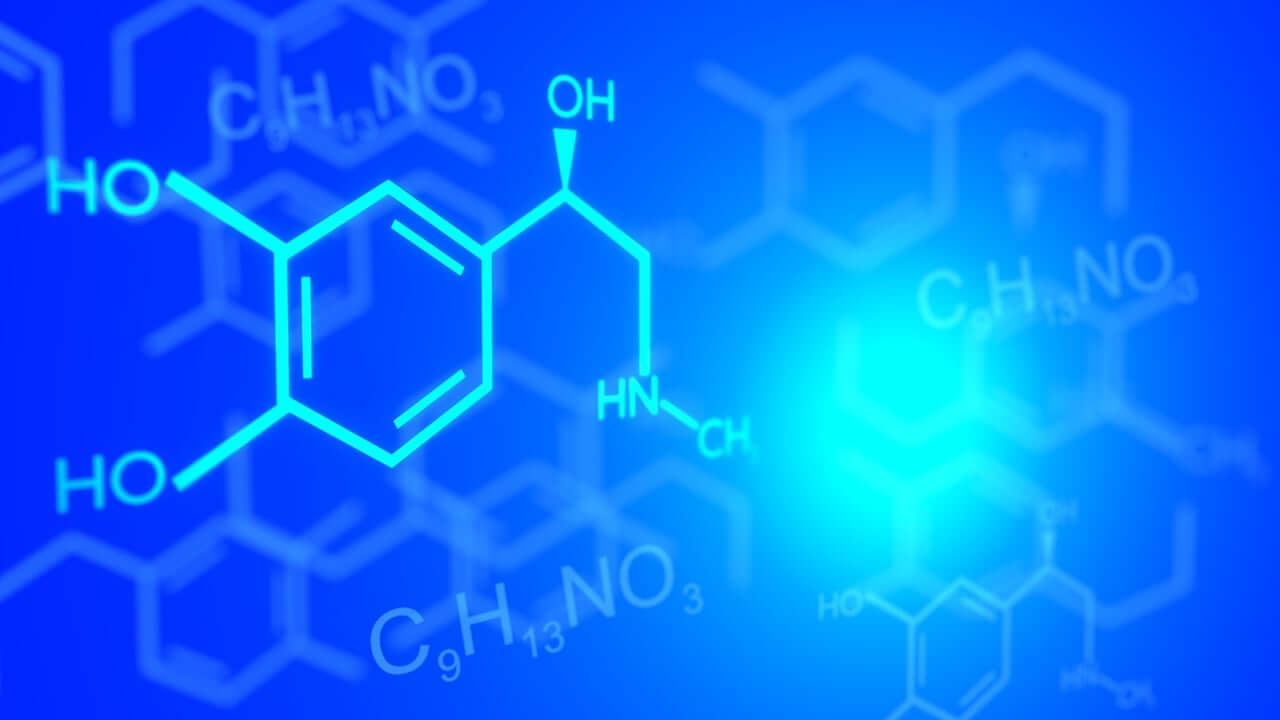
Carbonation, fermentation, bubbler, brewing… The world of brewing is rich with technical terms that every enthusiast should know to better understand and master the craft. In this article, we’ll focus on defining what alpha acids are, along with their roles and properties in beer production.
What is an alpha acid ?
Alpha acids are chemical compounds found in lupulin, a resin secreted by the female cones of the hop plant. These acids are essential in brewing and offer several benefits:
- Alpha acids are responsible for the bitterness in beer, contributing significantly to its flavor profile.
- They possess antibacterial properties, which help preserve beer.
- They have anti-inflammatory effects that may support the prevention of certain metabolic disorders, including diabetes and cardiovascular diseases.
There are several types of alpha acids: humulone, cohumulone, adhumulone, isohumulone, posthumulone, and prehumulone. Each contributes a unique intensity and character of bitterness, ranging from smooth to sharp.
The bitterness of beer
Bitterness in beer is a polarizing topic—some beer lovers crave it, while others prefer to avoid it. Spicy, bold, and sometimes aggressive, bitterness is one of the defining traits of many beer styles.
Three main factors influence how bitter a beer will be:
1 - The quantity of hops used during brewing.
2 - The concentration of alpha acids present in the chosen hop variety and harvest year.
3 - The duration of the boil. The longer the hops are boiled, the more alpha acids are isomerized into bitter compounds. Maximum bitterness is typically achieved after one hour of boiling.
By adjusting these parameters, brewers can craft recipes with widely varying levels of bitterness, measurable via the IBU (International Bitterness Unit) scale. For a deeper dive into bitterness and the IBU system, explore the resources available on the PerfectDraft website.
ALCOHOL ABUSE IS DANGEROUS TO YOUR HEALTH, DRINK IN MODERATION.
Discover other articles about beer : The ideal beer tasting and Is beer vegan ?