

Achel, a Belgian Trappist beer
The Trappist beer community is renowned worldwide for its expertise and authenticity. Iconic names such as Westmalle, Orval, Chimay—an authentic Belgian Trappist beer—and Achel are highly sought after by beer lovers. Today, we invite you to discover the fascinating story of Achel Trappist beer, a true gem of Belgian brewing heritage.
Achel, a Belgian Trappist story
Achel is brewed in Belgium, close to the Dutch border, at the Abbey of Our Lady of Saint Benedict, located in Achel in the province of Limburg. Although the abbey was founded in 1846 and the brewery followed in 1850, the beers produced at that time are no longer available. Back then, the flagship beer was remarkably strong, reaching 12% ABV—higher than any Trappist beer brewed today. Its original recipe later inspired the famous Rochefort 10.
Over the years, the brewery flourished until the outbreak of the First World War. The German army dismantled the site to recover copper, dealing a severe blow to the abbey. After the war, the Belgian state classified the brewery as Dutch territory and refused compensation. This period was devastating for Belgian brewing, with more than 1,100 breweries closing nationwide. Gradually, the abbey recovered, and the monks turned to other activities, including farming.
By the end of the 20th century, most of these ventures had failed, with the exception of Brother Martinus’ small shop, which still sells high-quality Belgian products today. Determined to revive their brewing tradition, the monks decided to restart beer production.
The revival of Achel Trappist beer
Initially, brewing was outsourced to the De Kluis brewery in Hoegaarden, before its acquisition by Interbrew. The beer, originally known as Vader Abt, was supplied to Achel Abbey under the name Trappistenbier van de Achelse Kluis. In an attempt to justify its Trappist status, Achel purchased 5% of De Kluis shares—an effort deemed insufficient by the Trappist community. The brewery was later renamed Sint-Benedictus, but a fire brought this first revival attempt to an abrupt end.
Several other breweries followed, including Sterckens in Meer and De Teut, each brewing Achel beers for a time before closing. Persistence finally paid off in 1997 when a new abbot, formerly from Orval, proposed reopening the brewery alongside a café to welcome visitors. Brewing resumed on-site the following year, and Achel beers proudly received the Authentic Trappist Product label. This certification guarantees that the beer is brewed in a Trappist abbey, by monks or under their supervision, with profits dedicated to charitable causes or monastery upkeep.

The Achel Trappist beer range
The current Achel range includes the brown draught beer, blonde draught beer, Achel Extra Bruin, Achel Extra Blond, Achel Blond and Achel Bruin. Bottling is carried out at the BIOS–Van Steenberge brewery in Ertvelde, East Flanders. Highly respected among beer enthusiasts, the recipes were developed by Brother Thomas, current brewer at Westmalle, and Brother Antoine, former brewer at Rochefort.
While the first four beers are only available at the abbey or are difficult to find, Achel Blond and Achel Bruin are more widely available—and impossible to resist.
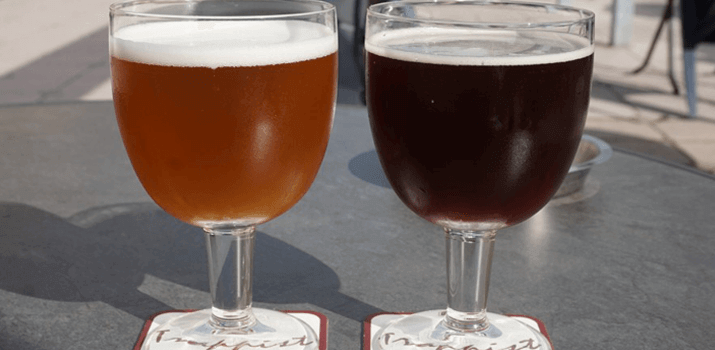
Achel Blond
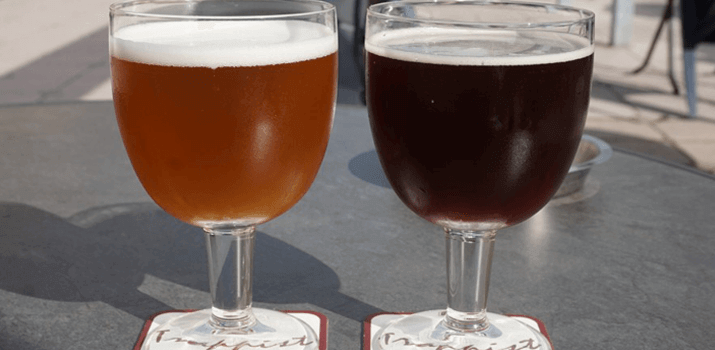
Amber in colour, this Belgian Trappist beer offers an aromatic, fruity nose with notes of malt and hops. Gently bitter, it delivers floral and hoppy flavours with a pleasant sweetness and a long, bitter finish.
Achel Bruin
Deep brown with a beige head, Achel Bruin reveals aromas of roasted malt, caramel and biscuit. It features a delicate bitterness and a smooth, creamy mouthfeel.
ALCOHOL ABUSE IS DANGEROUS FOR YOUR HEALTH, PLEASE DRINK RESPONSIBLY.