

Duvel, an authentic Belgian beer
Thanks to our blog, you can learn more about iconic Belgian beers, including Brussels Beer Project, the innovative Brussels-based brewery and Achel Brewery, a traditional Belgian Trappist beer. With over a century and a half of history, Duvel Moortgat has left a lasting mark on the beer world, establishing its legendary beer as a must-have Belgian Tripel.
The history of Duvel Moortgat
The story begins in 1871 with Jan Leonard Moortgat, founder of the Moortgat farmhouse brewery.
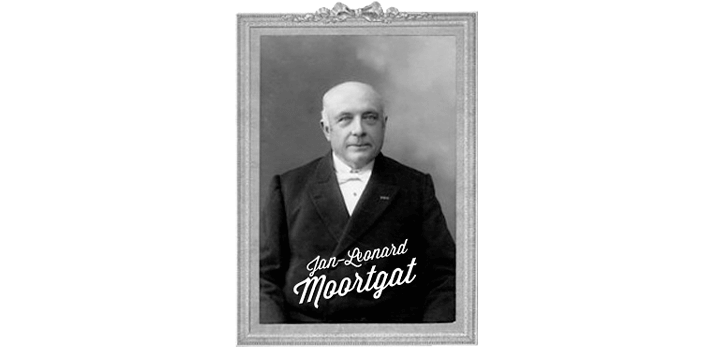
At the time, Jan Leonard Moortgat ran the brewery with his wife in a highly competitive market, with more than 3,000 breweries operating in Belgium alone. Despite the competition, his top-fermented beers quickly gained popularity among beer lovers and the Brussels bourgeoisie. As business grew at the turn of the 20th century, his two sons joined the brewery: Albert as brewer and Victor in charge of distribution in Brussels.
During the following fifteen years, Europe was marked by war, but it also introduced English ales, which were widely appreciated. Inspired by these beers, Albert began developing a new recipe following the English style. He named it Victory Ale to celebrate the end of the war.
Albert devoted himself entirely to perfecting this beer, using only the finest ingredients, including carefully selected malt, hops, and yeast. He eventually discovered a unique Scottish yeast strain that is still used today. By 1923, the recipe was finalised. One day, a Flemish friend tasted the beer and exclaimed, “nen echten duvel”, meaning “a real devil” in the Brabant dialect.
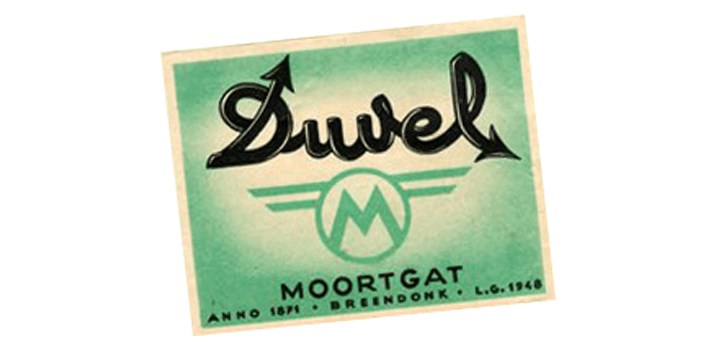
The name stuck, and the beer officially became Duvel. Its success inspired other Belgian beers with devilish names such as Judas, Lucifer, Bière du Démon, and Belzebuth. Over the years, Duvel continued to stand out thanks to its refreshing character, thirst-quenching profile, and bright blonde colour derived from barley malt.
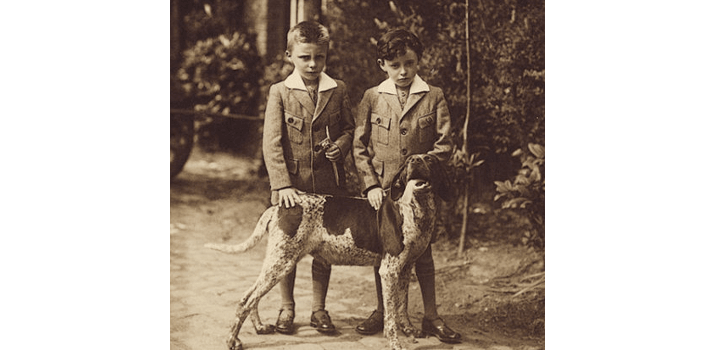
Demand kept growing, leading to increased production and international expansion, with exports to the Netherlands beginning in the late 1950s. The 1960s marked the arrival of the third generation of Moortgats, Emile and Léon, who designed a unique glass specifically for Duvel.
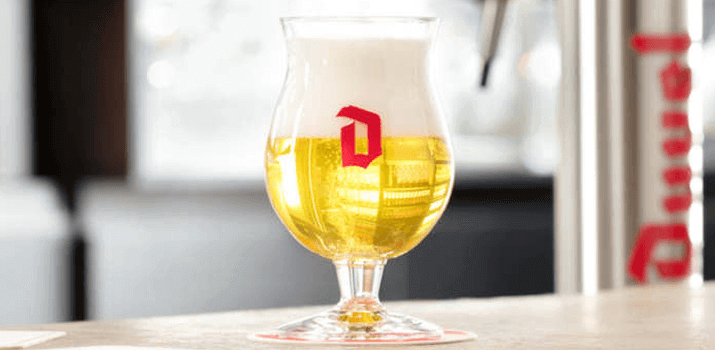
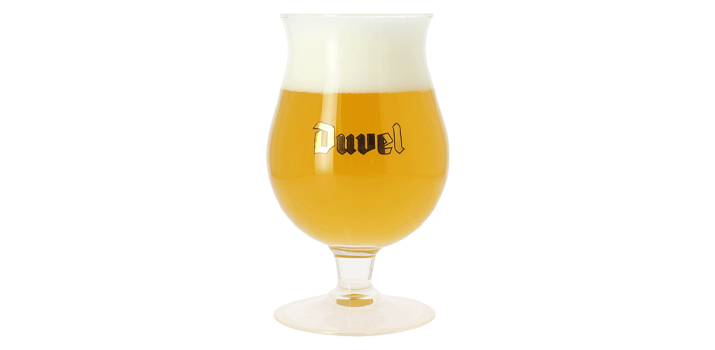
This innovation gave birth to the iconic Duvel tulip glass. Inspired by wine glass design, it allows the full 33 cl bottle to be poured while enhancing aroma release. Its curved shape and flared rim ensure excellent carbonation retention and a thick, creamy head—proof that serving beer is an art in itself.
In the 2000s, the fourth generation elevated Duvel to the status of a benchmark Belgian craft beer. Its balance of malt and hops, subtle spicy and fruity notes, and radiant blonde colour made it iconic. Regular investments in the brewery ensured consistent quality and a recipe that has remained unchanged since its creation.
Tasting Duvel
Powerful yet perfectly balanced, Duvel is a Belgian Pale Ale full of character, often compared to Trappist beers. When poured, it reveals a luminous golden colour topped with a dense, creamy white head. Aromas of flowers, hops, fruit, spices, alcohol, and yeast rise from the glass.
On the palate, Duvel is round and malty, with fruity and spicy flavours driven by the yeast and supported by a firm bitterness. The harmony of flavours balances its impressive 8.5% ABV. Duvel is best served between 8 and 10°C, though enjoying it slightly warmer, around 14°C, allows its full aromatic complexity to shine.

For the ideal experience, always serve Duvel in its signature tulip glass, ensuring a generous, creamy head and optimal flavour expression.
ALCOHOL ABUSE IS DANGEROUS FOR YOUR HEALTH. PLEASE DRINK RESPONSIBLY.