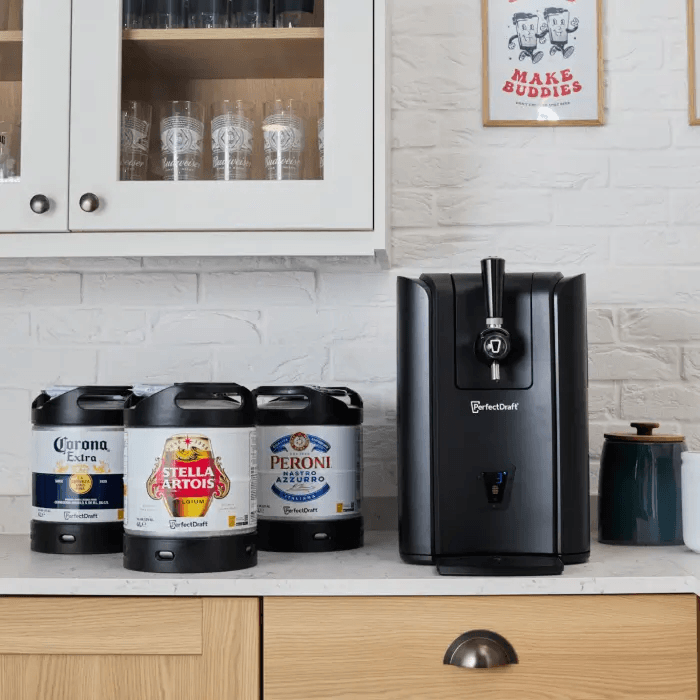


Can beer go bad in a keg ?
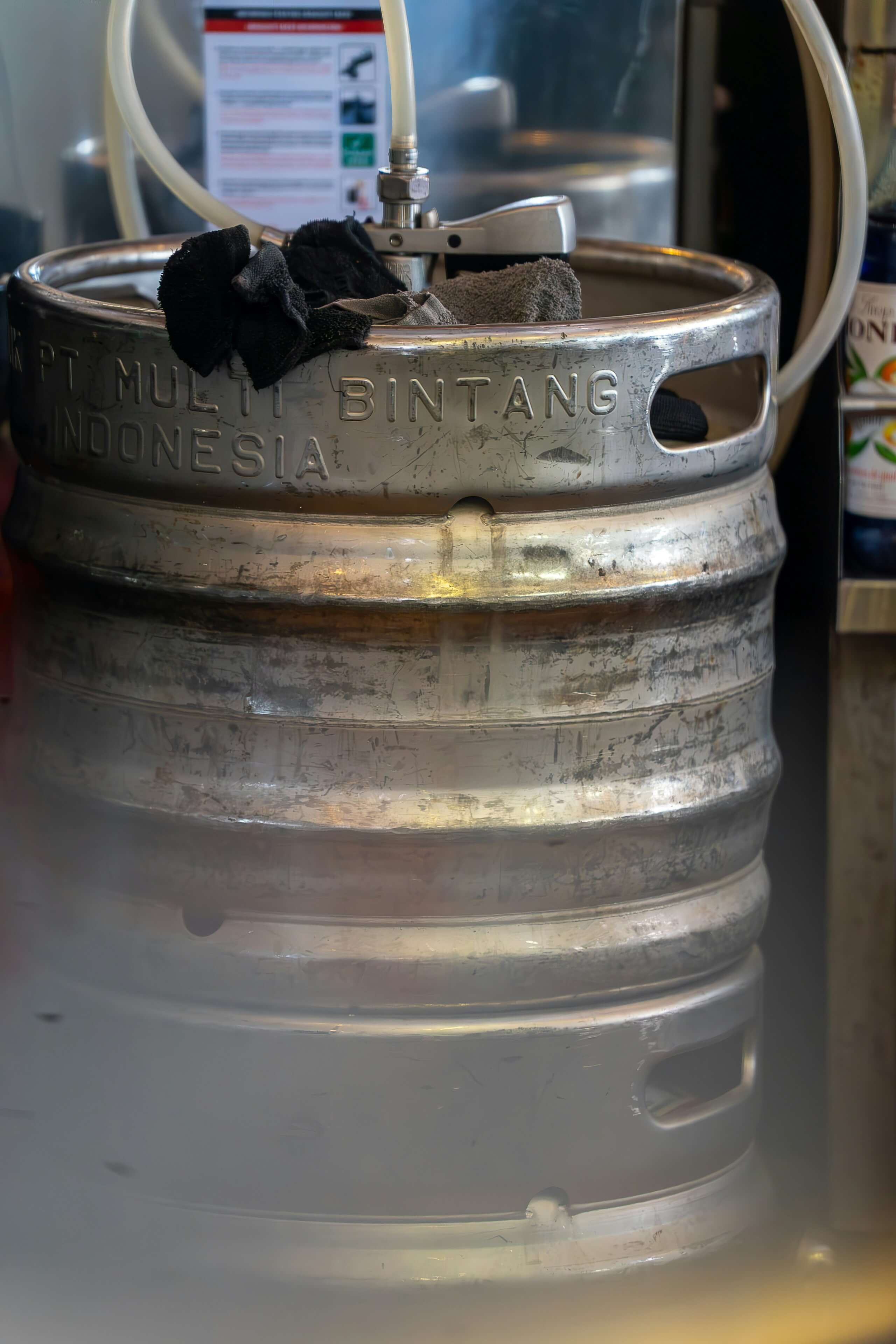
Can beer kegs freeze ?, Can you buy a keg of non alcoholic beer ? Thanks to PerfectDraft, you know more about beers ! If you enjoy draft beer at home, chances are you’ve come across PerfectDraft and wondered how long your keg will stay fresh once it’s installed. The question “can beer go bad in a keg” comes up often, especially for those investing in a system designed to deliver pub-quality pours. The short answer is yes—but not in the way most people think. Beer doesn’t suddenly become unsafe overnight, but it does change over time, and not always for the better.
Understanding if and how beer can go bad in a keg
So, can beer go bad in a keg? Yes—but it’s more accurate to say it loses freshness rather than instantly spoiling. Beer is a sensitive product that reacts to its environment. Exposure to oxygen, temperature fluctuations, and light can gradually alter its flavor. That crisp, aromatic pint can slowly become dull, flat, or slightly stale.
It’s important to distinguish between “bad” and “unsafe.” In most cases, keg beer that has passed its prime is still safe to drink—it just won’t taste as good. Oxidation is the main factor behind this decline, often producing flavors described as papery or cardboard-like. These changes start subtly and become more noticeable over time.
Many people assume kegs act like sealed time capsules, but that’s not entirely true. An unopened keg stored correctly can last for several months, especially if the beer is pasteurized. Once tapped, however, the process of degradation accelerates—particularly if oxygen is introduced.
Different beer styles age differently. Higher-alcohol or heavily hopped beers may retain their character longer, while lighter beers tend to lose freshness more quickly. Unpasteurized beers are especially sensitive and can change within days if not properly handled.
Beer in a keg doesn’t suddenly spoil, but its flavor can deteriorate faster than expected when conditions aren’t optimal.
How long does beer last in a keg, and what affects its freshness?
When asking “can beer go bad in a keg,” most people really want to know how long it stays fresh. The answer depends largely on storage and dispensing conditions.
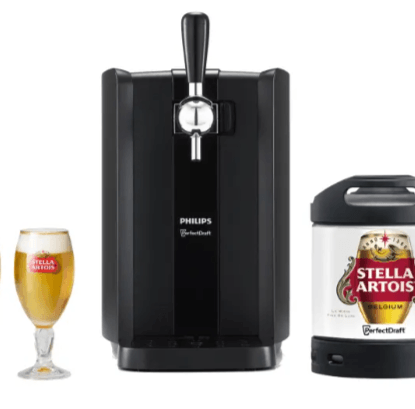
An untapped keg kept cold can remain fresh for weeks or even months. Pasteurized beers typically last longer than unpasteurized ones. Once tapped, the timeline changes. With a proper system like PerfectDraft—which uses pressurized gas instead of air—you can usually keep beer fresh for up to 30 days with minimal quality loss.
By contrast, systems that use air pumps significantly reduce freshness. In those cases, beer may start to taste stale within 24 to 72 hours.
Temperature is another critical factor. Beer should be stored at a consistent, cool temperature. Fluctuations accelerate chemical reactions that degrade flavor, while warm conditions can quickly reduce carbonation and aroma.
Key factors affecting keg beer freshness include:
- Stable storage temperature
- Type of dispensing system (air vs pressurized)
- Pasteurized vs unpasteurized beer
- Exposure to oxygen
- Handling and movement of the keg
Signs your keg beer has gone bad and how to tell
If you’re still wondering “can beer go bad in a keg,” knowing how to recognize the signs is essential. Your senses—taste, smell, and appearance—are the best indicators.
The most obvious sign is a change in flavor. Fresh beer should taste balanced and lively. When it begins to degrade, it may taste flat, dull, or slightly off. Oxidation often introduces a stale, papery character, and sometimes a faint metallic note.
Aroma also changes. Fresh beer should have distinct, pleasant scents depending on its style. If the aroma becomes muted or develops an unusual sourness (in beers not meant to be sour), it may be past its best.
Visual cues can help as well. Excessive foam during pouring may indicate pressure or carbonation issues, while a completely flat pour suggests lost carbonation. Unexpected cloudiness in normally clear beer can also signal instability.
In most cases, keg beer that has gone bad is not harmful—it’s simply less enjoyable to drink.
Can beer go bad in a keg, and how to keep it fresh longer
If you want to avoid asking “can beer go bad in a keg,” adopting good storage and handling habits is key. PerfectDraft systems already help by maintaining consistent pressure and temperature, but a few additional practices can extend freshness even further.
Always keep your keg properly refrigerated—not just cool, but consistently cold. Sudden temperature changes can disrupt carbonation and accelerate staling.
Minimize oxygen exposure whenever possible. This is where systems like PerfectDraft make a difference, as they use pressurized gas instead of air, significantly reducing oxidation and preserving flavor.
Avoid unnecessary movement. Shaking or frequently repositioning the keg can disturb sediment and affect pour quality. Once installed, it’s best to leave it in place.
Clean handling is also important. While the keg itself is sealed, dispensing components should remain clean. Residue buildup can negatively impact taste over time.
Consistency in temperature, pressure, and handling is the key to keeping keg beer fresh for as long as possible.
Find many answers to theses questions ! Are beer kegs in aluminum ?, Are beer kegs in aluminum or stainless ?, Are beer kegs made of aluminum ? and Are beer kegs pressurized ?