

Are beer kegs pressurized ?
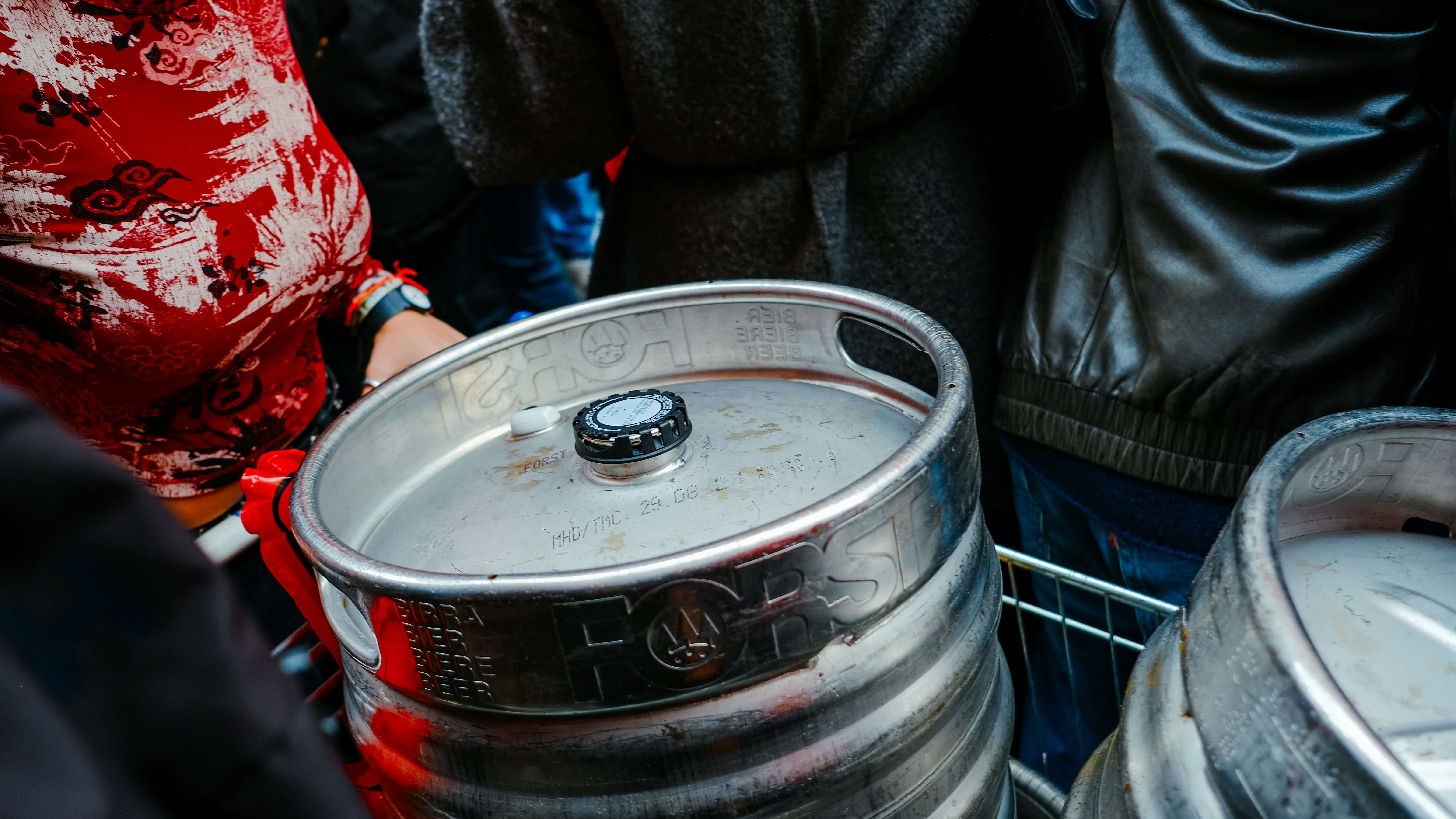
Are beer kegs made of aluminum ? Can a keg of beer freeze ?. Today, PerfectDraft PerfectDraft provides information about pressure inside a beer keg. On PerfectDraft, where beer kegs, taps, and dispensing machines are part of everyday enjoyment, one question comes up frequently: are beer kegs pressurized? The short answer is yes—but how that pressure works is more nuanced than most people realize.
Understanding keg pressure helps explain why your beer tastes crisp, pours smoothly, and requires proper handling. Whether you’re using a compact home system or a larger setup, pressure is always a key factor.
Understanding how pressure works inside beer kegs
Internal pressure in beer kegs comes from gas—usually carbon dioxide (CO₂)—contained inside a sealed environment. This pressure is carefully controlled from the moment the beer leaves the brewery. Without it, beer would quickly lose carbonation and go flat.
Beer is stored under pressure to preserve carbonation and maintain freshness. CO₂ dissolves into the liquid, creating the bubbles and mouthfeel associated with beer. If pressure drops too low, the gas escapes and the beer becomes flat. If it’s too high, pouring becomes difficult and overly foamy.
CO₂ plays a dual role: it carbonates the beer and acts as a propellant when the keg is tapped. Some beers are naturally carbonated during fermentation, while others are force-carbonated by injecting CO₂. Regardless of the method, pressure inside the keg is essential to maintain the final result.
Yes, beer kegs are pressurized—but the exact pressure level and method depend on the keg type and dispensing system.
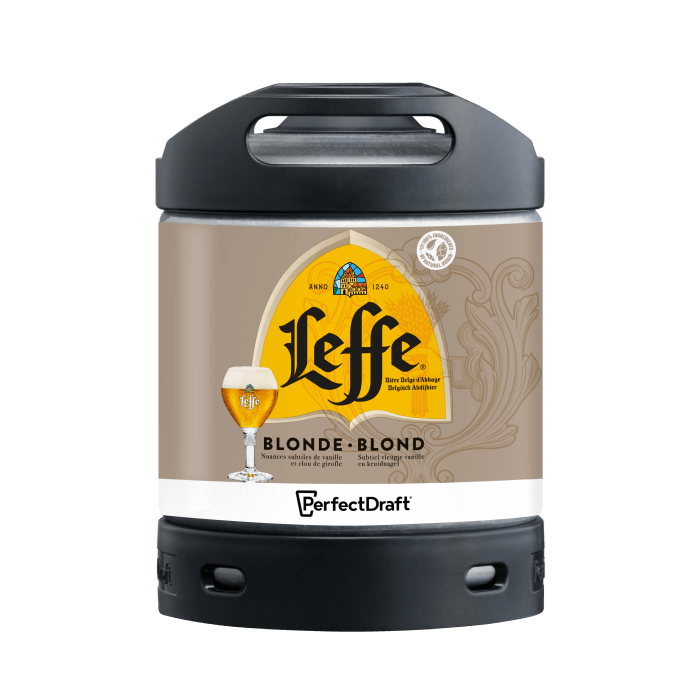
Even smaller kegs designed for home use, including those compatible with PerfectDraft systems, rely on controlled internal pressure to deliver a consistent drinking experience.
Are beer kegs pressurized during storage and transport?
Before a keg is tapped, it is already sealed and pressurized. From the brewery to the warehouse and finally to your home, that pressure remains intact. This sealed environment protects the beer from oxygen, which would otherwise degrade its flavor.
Commercial kegs are engineered to withstand significant internal pressure. They are built with durable materials and secure valves to prevent leaks. Home-use kegs follow the same principles on a smaller scale.
Temperature plays a critical role in pressure behavior. Warmer conditions increase internal pressure, while cooler temperatures reduce it. That’s why beer kegs should always be stored in a cool, stable environment. Sudden temperature changes can affect perceived pressure even if gas levels remain unchanged.
Many people wonder about safety. Can kegs explode? Under normal conditions, no. Modern kegs are equipped with safety mechanisms that release excess pressure if needed. However, improper handling or exposure to extreme heat can create risks, which is why proper storage is essential.
Do kegs lose pressure over time? In a properly sealed keg, pressure remains stable for extended periods. A loss of pressure usually indicates a damaged seal or faulty valve.
- Sealed kegs maintain pressure from filling to serving
- Temperature changes directly affect internal pressure
- Leaks are rare but possible if seals are damaged
- Home and commercial kegs follow the same pressure principles
PerfectDraft systems are designed to work with kegs that reliably retain pressure, simplifying storage and ensuring the beer is ready to serve.
What happens to pressure when serving beer from a keg
Once a keg is connected to a dispensing system, pressure management becomes dynamic. As beer is poured, the liquid volume decreases, which would normally reduce pressure. To compensate, external gas or an internal system maintains consistent pressure.
Dispensing systems typically include a regulator, a tap, and a gas source. The regulator ensures pressure stays within an optimal range, preventing excessive foam or flat pours. In home systems like PerfectDraft, this process is automated, eliminating the need for manual adjustments.
Foam issues are often caused by pressure imbalance. Too much pressure forces excess gas out of the beer, creating foam. Too little pressure allows carbonation to escape, resulting in a flat drink. Maintaining the right balance is essential for both taste and texture.
As the keg empties, stable pressure becomes even more important. Without proper regulation, the final pours would be inconsistent. Many systems compensate by injecting gas or using internal mechanisms to stabilize pressure throughout the keg’s lifecycle.
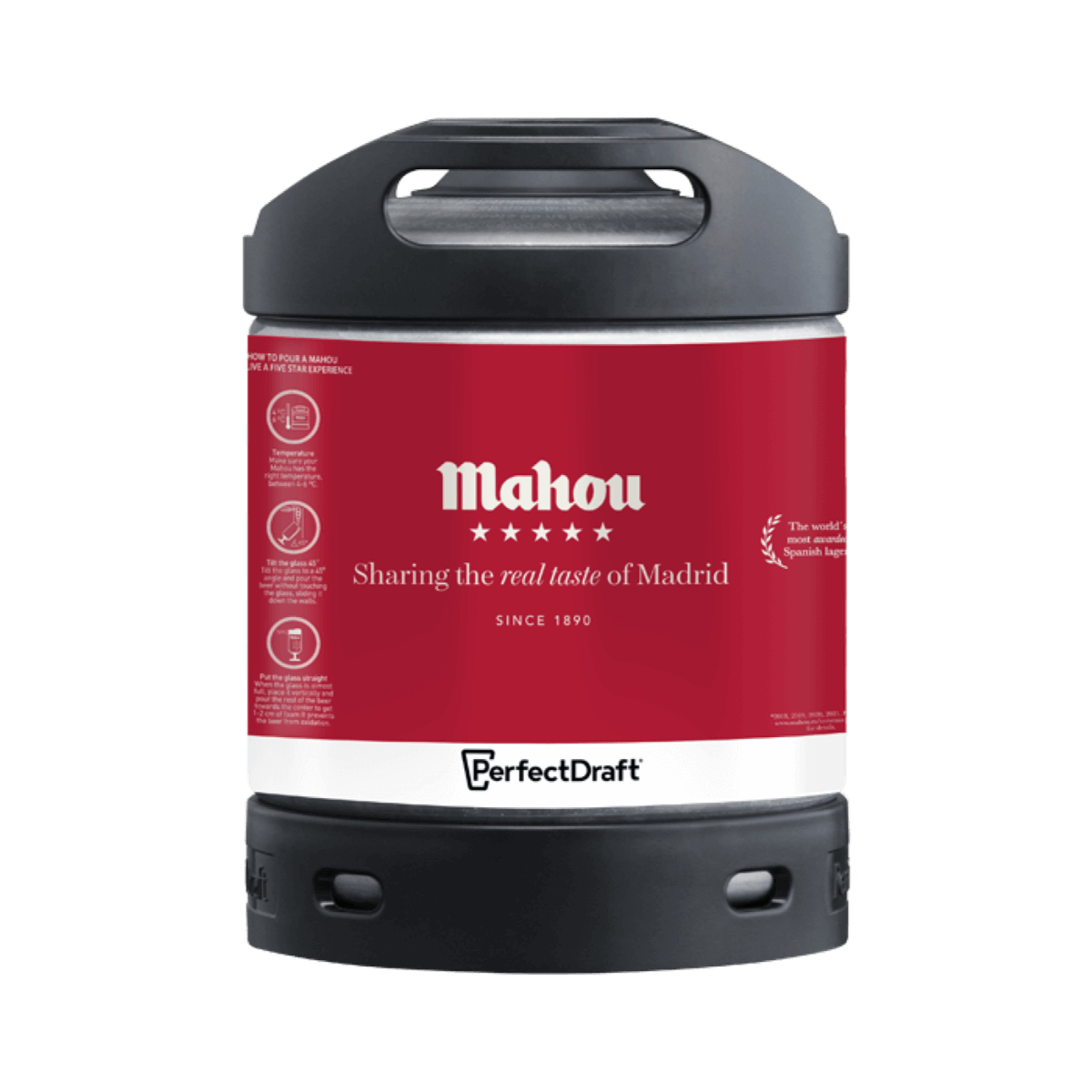
Is external gas always required? Not necessarily. Some kegs include built-in pressure systems, while others rely on external CO₂ cartridges or compressors. PerfectDraft offers a streamlined solution where users don’t need to manage gas manually, making the experience simple and intuitive.
There’s also a unique satisfaction in a perfectly poured beer—something that only happens when pressure is precisely controlled.
Are beer kegs pressurized differently depending on the system?
Not all kegs manage pressure in the same way. Large commercial kegs typically rely on external gas tanks and regulators, allowing precise control. Smaller kegs, especially those designed for home use, may include integrated pressure systems.
“Self-pressurized” kegs are often discussed. These use internal mechanisms—such as gas cartridges or flexible linings—to maintain pressure without external equipment. While convenient, they still follow the same physical principles.
Manual systems require users to adjust pressure themselves, while automated systems handle it in the background. PerfectDraft focuses on automation, reducing user error and ensuring consistent results.
Although this may seem complex at first, the goal remains simple: keep the beer properly carbonated and easy to pour.

How PerfectDraft manages keg pressure for optimal beer quality
PerfectDraft simplifies pressure management by integrating it directly into the machine. Instead of requiring external gas tanks or manual regulators, the system maintains consistent pressure automatically.
This approach preserves carbonation and flavor from the first glass to the last. Users don’t need technical expertise or constant adjustments, making the experience both reliable and enjoyable.
PerfectDraft also maintains optimal temperature, which helps stabilize pressure and improve pouring quality. The combination of controlled pressure and consistent cooling creates ideal conditions for serving beer at home.
If you’re wondering, “are beer kegs pressurized,” using a PerfectDraft system makes the answer clear with every smooth, balanced pour. It removes complexity while ensuring the essential science works seamlessly in the background.
In the end, pressure isn’t just a technical detail—it’s what ensures beer from a keg tastes exactly as it should.
Find many answers to theses questions ! Can beer go bad in a keg ?, Can beer kegs freeze ?, Can you buy a keg of non alcoholic beer ? and Can you ferment beer in a keg ?