

Are beer kegs in aluminum or stainless ?
On PerfectDraft, a common question comes up again and again: Are beer kegs stainless steel or aluminum ? If you’re using a home draft machine or browsing for new kegs, the material might seem like a minor detail. In reality, it directly impacts how beer is stored, transported, and served. Many PerfectDraft users notice differences in weight, texture, or even temperature behavior, which naturally leads to curiosity about what’s inside the metal shell.
Whether you’re new to draft beer or already pouring from a PerfectDraft machine at home, understanding keg materials helps explain performance, durability, and taste stability. Let’s break it down clearly and practically.
Are beer kegs aluminum or stainless : what materials are actually used and why
The short answer to “are beer kegs aluminum or stainless” is: both have been used, but stainless steel dominates today. Historically, aluminum kegs were popular in some markets because they are lighter and easier to handle. However, over time, stainless steel became the preferred choice for most breweries and distributors.
Stainless steel offers excellent resistance to corrosion, which is essential when storing beer for extended periods. Beer is slightly acidic, and reactive materials can affect both flavor and safety. Stainless steel naturally forms a protective passive layer, preventing unwanted chemical reactions and preserving the beer’s original taste profile.
Aluminum, on the other hand, can develop a surface patina and typically requires internal coatings to prevent direct contact with the beer. While effective, this adds complexity and may degrade over time with repeated use. This is one of the reasons aluminum kegs are now relatively rare in modern commercial systems.

Durability is another key factor. Stainless steel withstands repeated filling, cleaning, and transport cycles far better than aluminum. In a supply chain where kegs are constantly moved, stacked, and cleaned under pressure, this level of resilience is essential.
Some confusion comes from appearance. Both materials can look similar, especially when polished, leading many people to assume kegs might be aluminum when they are actually stainless steel.
Today, most beer kegs used in both commercial and home draft systems are made from stainless steel due to its durability and ability to preserve beer quality.
Key differences between aluminum and stainless steel beer kegs
When comparing aluminum and stainless steel beer kegs, the differences are practical and easy to identify. Each material offers specific advantages and limitations.
Aluminum is lighter, which makes handling easier—especially in smaller setups or when frequently moving full kegs. This can be appealing for casual users or older systems. However, aluminum is softer and more prone to dents, which can impact long-term usability.
Stainless steel is heavier but significantly more robust. It resists impacts, maintains its structure, and handles high internal pressure without deformation. This makes it the preferred choice in professional brewing environments.
- Weight: aluminum is lighter; stainless steel is heavier
- Durability: stainless steel resists dents and wear more effectively
- Corrosion resistance: stainless steel performs better over time
- Maintenance: stainless steel is easier to clean and sanitize
- Beer protection: stainless steel is less reactive
Temperature performance is also important. Stainless steel maintains cold temperatures more consistently, helping preserve beer freshness during serving. Aluminum cools quickly but can also lose temperature faster depending on the environment.
Cleaning is another critical factor. Breweries follow strict hygiene standards, and stainless steel tolerates repeated sanitation cycles without degradation. Aluminum, especially when coated, requires more careful handling to avoid damaging the inner lining.
While aluminum may have a lower upfront cost, stainless steel is generally more cost-effective over time due to its longevity and lower replacement needs.
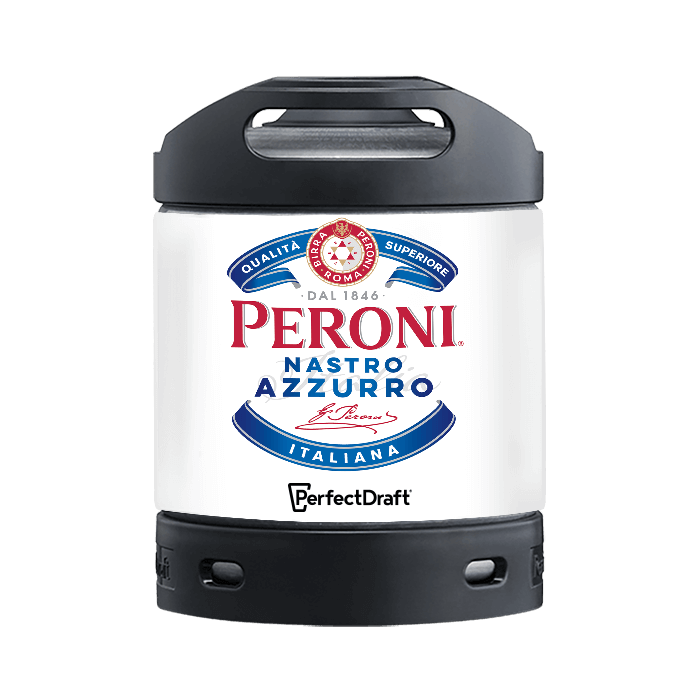
Are beer kegs aluminum or stainless in modern brewing systems
In modern brewing systems, the answer to “are beer kegs aluminum or stainless” is clear: stainless steel is the industry standard. Large-scale breweries rely on kegs that can withstand years of continuous use, and stainless steel meets this requirement perfectly.
Today’s beer distribution networks are highly optimized. Kegs travel long distances, pass through automated cleaning systems, and are reused many times. Stainless steel supports this cycle without compromising safety or beer quality.
Regulatory standards also play a role. Food-grade materials must meet strict requirements, and stainless steel is well-suited to these standards. It does not leach substances and maintains a stable internal environment.
Carbonation stability is another advantage. Beer depends on controlled pressure to maintain its carbonation and mouthfeel. A strong, non-reactive container ensures consistent taste from filling to pouring.
Although aluminum kegs still exist, they are now uncommon. They may appear in older systems or niche applications, but they are no longer the norm. For most consumers using a PerfectDraft machine or similar system, the kegs used will almost always be stainless steel.
This widespread adoption reflects decades of industry refinement focused on durability, hygiene, and consistent performance.
What PerfectDraft users should know about keg materials and performance
For PerfectDraft users, keg material is more than a technical detail—it directly influences how beer performs in the machine. PerfectDraft systems are designed to maintain optimal pressure, temperature, and freshness, and the keg material plays a key supporting role.
Stainless steel kegs provide a stable and reliable experience, ensuring consistent pouring and carbonation.
Freshness is also essential. Stainless steel protects beer from oxygen exposure and external contaminants, helping preserve its flavor over time. When you tap a keg in a PerfectDraft machine, you want consistent taste from the first pour to the last—and the material helps ensure that.
While lighter kegs may seem more convenient, this does not always translate to better performance. A slightly heavier stainless steel keg often delivers greater stability and reliability.
In practice, most PerfectDraft users will encounter stainless steel kegs that align with current industry standards.
It’s also important to remember that modern keg performance goes beyond material alone. Internal components such as valves, seals, and pressure systems all contribute to the overall experience. PerfectDraft integrates these elements to keep beer fresh and easy to serve.
The next time you load a keg into your PerfectDraft machine, you’ll understand what lies behind that metallic surface—and why it matters more than it first appears.
Find many answers to theses questions ! Can a beer keg explode ?, Can a keg of beer freeze ?, Can beer go bad in a keg ?, Can beer kegs freeze ?, Can you buy a keg of non alcoholic beer ? and Can you ferment beer in a keg ?