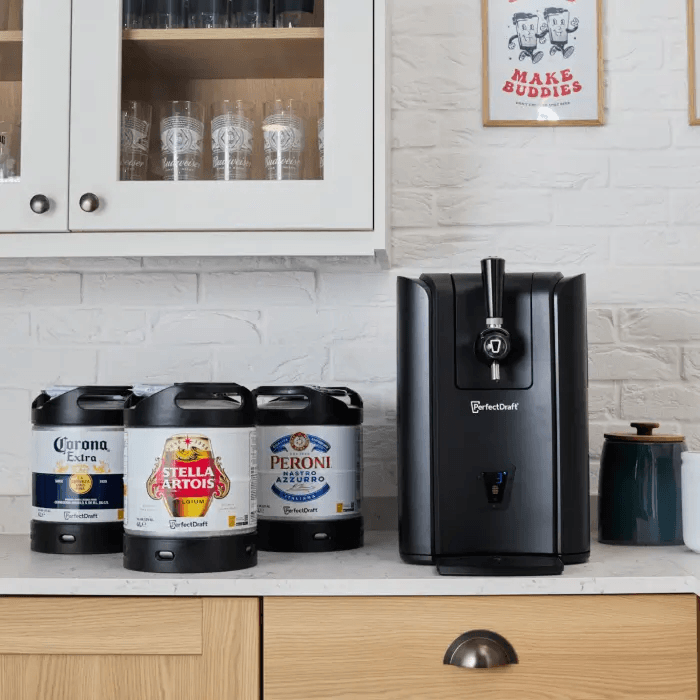


Can a keg of beer freeze ?
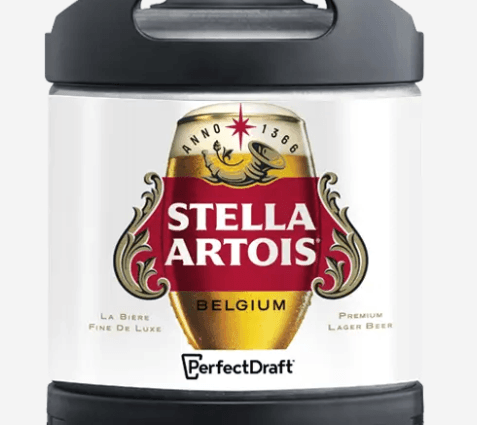
PerfectDraft users often ask a simple yet surprisingly technical questions : Are beer kegs made of aluminum ?, Are beer kegs pressurized ? or can a keg of beer freeze? When storing kegs at home or using a beer machine, temperature control may seem straightforward—until winter arrives or settings drift. Beer may appear resilient, but it reacts significantly to cold. Understanding what happens inside a keg helps prevent waste, flavor loss, and potential equipment issues. PerfectDraft systems are designed to maintain a stable serving temperature, but external conditions or improper use can still lead to unexpected freezing.
What happens when beer inside a keg reaches freezing temperatures
Beer does not freeze at the same temperature as water. Due to alcohol, sugars, and dissolved gases, its freezing point is lower—typically between -2°C and -4°C (28°F to 25°F), depending on alcohol content. Stronger beers freeze at slightly lower temperatures, while lighter lagers freeze more easily.
As a keg approaches freezing, the beer does not immediately become solid. Instead, ice crystals form unevenly. Water freezes first, leaving behind a concentrated mixture of alcohol and flavor compounds. This creates a slushy texture that may seem harmless but indicates a chemical imbalance. After thawing, the beer often suffers from muted aromas, altered bitterness, and an inconsistent mouthfeel.
Carbonation is also affected. As ice forms, dissolved CO₂ is forced out of the liquid. Once thawed, the beer may pour flat or produce unstable foam. Inside a sealed keg, expansion adds another risk. Frozen liquid expands, increasing internal pressure and potentially stressing seals, valves, and fittings.
Freezing does not preserve beer—it degrades its quality in subtle but lasting ways. Even if the keg appears intact, the drinking experience is rarely the same.
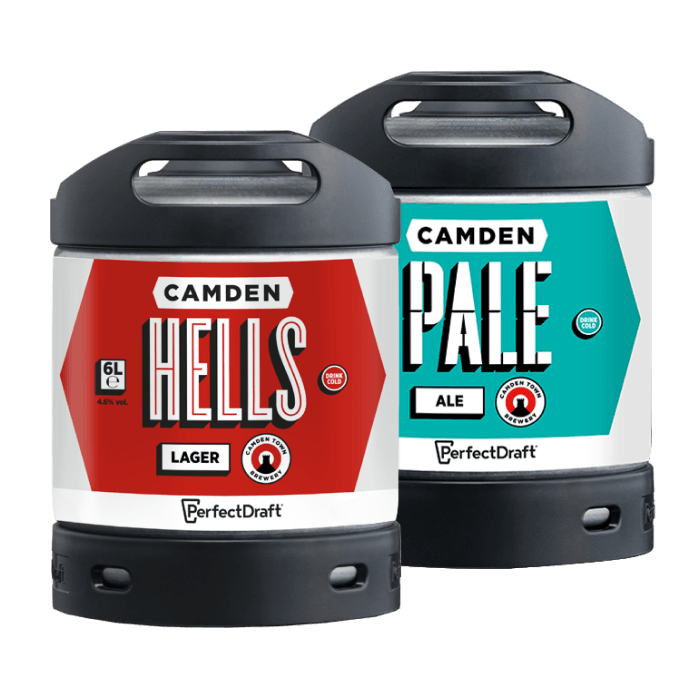
Can a keg of beer freeze and damage the container or system?
So, can a keg of beer freeze? Yes—especially in cold garages, outdoor environments, or poorly calibrated cooling systems. Even a well-designed beer machine cannot fully compensate for extreme ambient temperatures.
Kegs are built to handle pressure, but freezing introduces a different type of stress. As the liquid expands, it pushes against the internal structure. While full rupture is rare, more subtle damage is common. Seals may weaken, valves can lose precision, and connections may develop micro-leaks that only become noticeable during use.
Another major issue is carbonation loss. When beer freezes, CO₂ escapes from the liquid. After thawing, this often results in inconsistent pours—either flat or excessively foamy. This directly impacts both taste and serving quality.
- Weakened seals leading to slow leaks
- Irregular pressure affecting dispensing
- Flavor degradation due to separation
- Unstable foam after thawing
- Long-term wear on machine components
From a safety perspective, modern kegs rarely “explode” due to freezing. However, pressure imbalances can still affect taps, valves, and internal systems. PerfectDraft machines include safeguards, but they are not immune to extreme cold conditions.
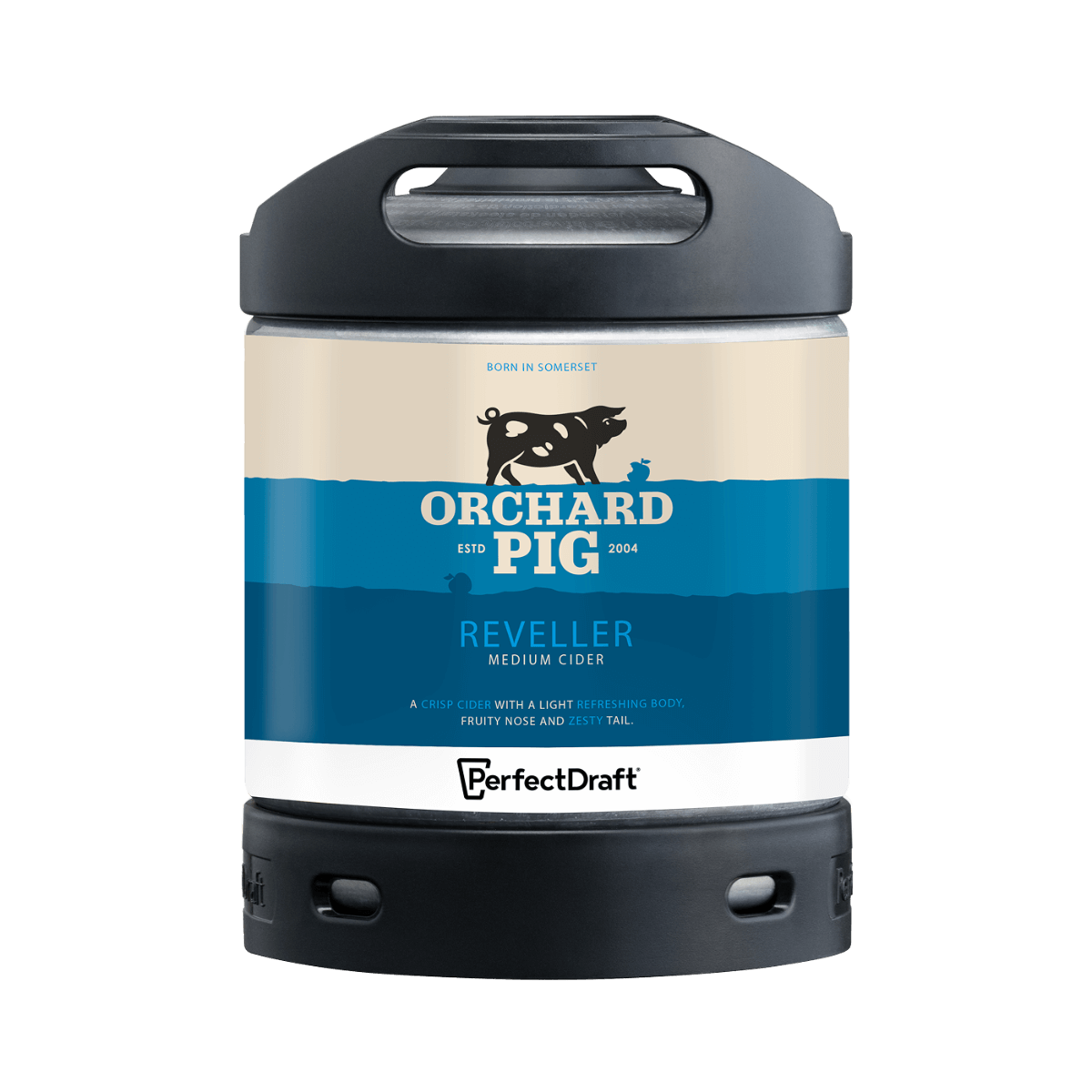
How to prevent a beer keg from freezing during storage or use
Preventing freezing is primarily about maintaining consistency. Beer is best stored between 3°C and 8°C (37°F to 46°F). Sudden temperature drops can be just as harmful as prolonged freezing.
If storing kegs in a garage or outdoor space, insulation is essential. Even a basic thermal cover can protect against overnight temperature drops. During colder periods, moving kegs indoors is often the safest option.
For beer machines, regularly check temperature settings. It’s easy to assume everything is functioning correctly, but slight calibration issues can push temperatures too low. PerfectDraft systems are reliable, but they should be placed away from cold drafts, unheated rooms, or direct exposure to winter air.
Watch for early warning signs. A slow pour, slushy texture, or unusual foam behavior may indicate that the keg is getting too cold. Addressing the issue early can prevent full freezing.
Maintaining a stable temperature is the most effective way to protect both your beer and your equipment.
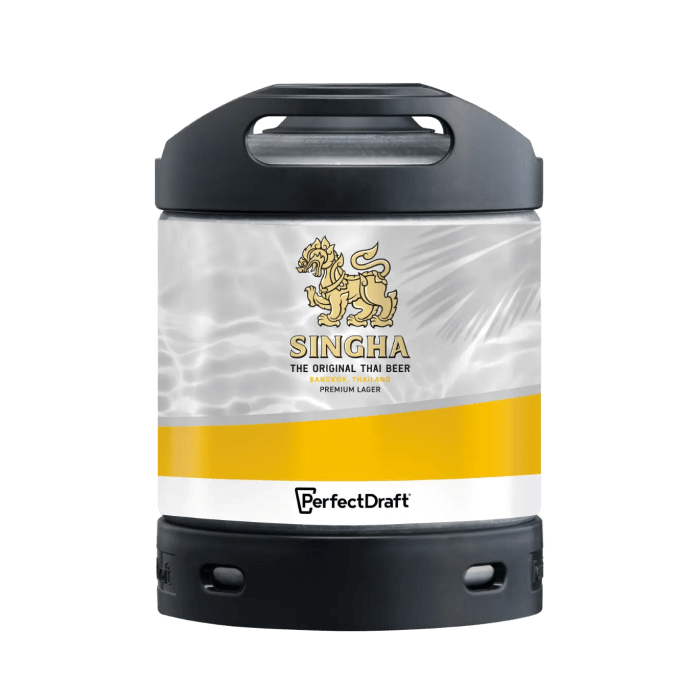
Can a keg of beer freeze in PerfectDraft systems and what to do if it happens
Can a keg of beer freeze in a PerfectDraft system? Under normal conditions, it’s unlikely. The system is designed to maintain an optimal serving temperature. However, placing the machine in a freezing environment or incorrect settings can still lead to problems.
If a keg freezes inside a PerfectDraft machine, patience is key. Do not attempt to thaw it بسرعة with heat. Instead, allow it to warm gradually at room temperature. Rapid temperature changes can increase internal stress and damage components.
Once thawed, assess the beer carefully. Check how it pours, smells, and tastes. Signs of damage include flatness, excessive foam, or dull, altered flavors. Even if the keg appears undamaged, performance may not fully recover.
It’s also important to inspect the machine. Ensure the dispensing system operates correctly and that no leaks or pressure issues are present. If anything seems unusual, it’s best to stop using the system until the issue is resolved.
Freezing is not always catastrophic, but it often leaves lasting effects. A keg that has undergone freeze-thaw cycles may still be drinkable, but it rarely delivers the quality and experience intended by the brewer.
Find many answers to theses questions ! Are beer kegs stainless steel or aluminum ?, Can a beer keg explode ?, Can a keg of beer freeze ? and Can beer go bad in a keg ?