

Can you ferment beer in a keg ?

PerfectDraft is widely known for bringing fresh draft beer into homes through kegs and dispensing systems, but many enthusiasts eventually become curious about the brewing process itself. Many questions come up frequently ! Can a beer keg explode ?, Can a keg of beer freeze ? or Can beer go bad in a keg ?. You can also wonder if you can ferment beer in a keg? It’s a practical idea—especially if you already have kegs and want to simplify your setup. Instead of using multiple vessels, some brewers explore using a keg for fermentation, carbonation, and even serving.
This approach reflects a broader shift in homebrewing toward efficiency and compact setups. PerfectDraft users, already familiar with keg-based systems, often see fermentation as a natural extension. But is fermenting beer in a keg a smart shortcut—or does it come with trade-offs?
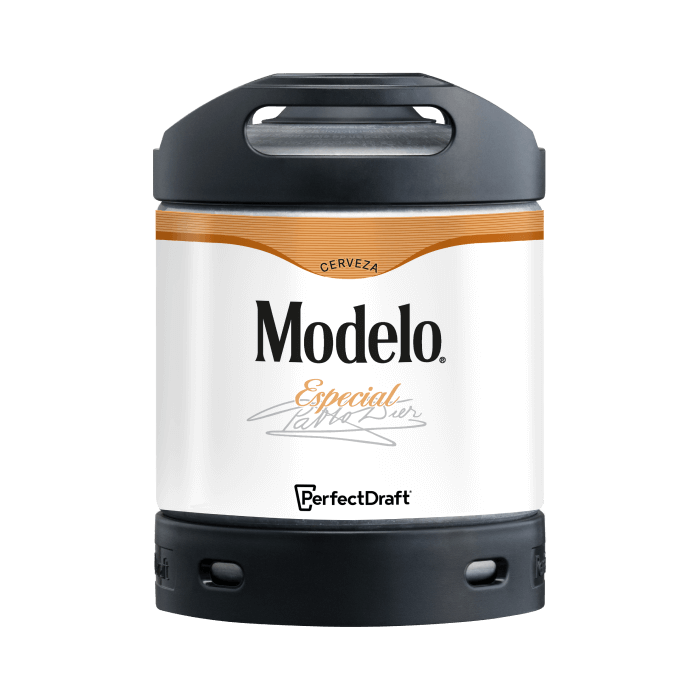
What does it mean to ferment beer in a keg and how does it work?
Fermenting beer in a keg means using a sealed metal container—typically designed for storage and dispensing—as the primary fermentation vessel. In traditional brewing, fermentation occurs in a dedicated fermenter, such as a plastic bucket or glass carboy, where yeast converts sugars into alcohol and CO₂. In a keg, the same process happens, but within a pressurized environment.
During fermentation, yeast produces carbon dioxide along with alcohol. In standard fermenters, this gas escapes through an airlock. In a keg, however, pressure can build unless actively released. This creates what’s known as pressure fermentation, which can influence yeast behavior and reduce ester production—often resulting in a cleaner flavor profile.
Another key advantage is workflow efficiency. Using a keg can eliminate transfers between vessels, reducing oxidation risks and simplifying the process. This is particularly appealing for brewers with limited space or those seeking a streamlined setup.
Fermenting in a keg combines multiple brewing stages into a single, controlled environment.
While fermentation time remains similar, pressure and temperature control can affect yeast activity and final flavor. Some brewers prefer the clean profile of pressure fermentation, while others favor the complexity of traditional methods.

Can you ferment beer in a keg safely and what are the risks?
The short answer is yes—you can ferment beer in a keg safely, but only with proper pressure management. Unlike open fermenters, sealed kegs can accumulate significant internal pressure as CO₂ builds up. Without control, this can lead to over-pressurization.
Most kegs are designed to handle pressure, but they rely on safety mechanisms such as relief valves or external regulators. Using these correctly is essential to avoid equipment damage or safety hazards.
Key safety considerations include:
- Using a pressure relief or spunding valve to regulate CO₂ buildup
- Checking all seals and connections before fermentation
- Staying within the keg’s pressure rating
- Maintaining a stable temperature environment
- Ensuring thorough cleaning and sanitation
Hygiene is critical. A keg used for fermentation must be completely sanitized, as any contamination can spoil the beer. Yeast behavior may also differ slightly in a sealed system, affecting how sediment settles.
Temperature control is equally important. Fluctuations can lead to off-flavors or stalled fermentation. PerfectDraft users already familiar with temperature management will find this aspect familiar, though fermentation requires greater precision.
Fermenting beer in a keg is safe when pressure, temperature, and sanitation are carefully managed.
Equipment and setup tips inspired by PerfectDraft systems
PerfectDraft encourages users to think differently about keg usage. If you’re considering fermenting in a keg, proper setup is essential. Not all kegs are immediately suitable, but many can be adapted.
Start with a stainless steel keg, as it offers durability and ease of cleaning. Make sure to leave enough headspace for krausen—the foam produced during fermentation. Without sufficient space, pressure can build quickly and clog valves.
Additional equipment is often required. A pressure control device (such as a spunding valve) helps regulate gas buildup, while secure fittings ensure an airtight system. Some brewers also modify dip tubes to manage sediment and improve clarity when serving.
Preparation is key. Cleaning and sanitizing must be thorough, as even minor contamination can affect the final product. PerfectDraft users already accustomed to maintaining clean systems will have an advantage here.
Place the keg in a stable environment with consistent temperature and minimal exposure to light. Since visual monitoring is limited, pressure readings and timing become your primary indicators of fermentation progress.
A well-prepared setup makes keg fermentation efficient, compact, and reliable.
Can you ferment beer in a keg and still achieve great flavor and carbonation?
Can you ferment beer in a keg and still produce high-quality results? Yes—but success depends on how well you control pressure and temperature.
Pressure fermentation tends to suppress ester formation, resulting in a cleaner taste. This is ideal for certain beer styles but may limit complexity in others that rely on expressive yeast characteristics.
One major advantage is natural carbonation. Since CO₂ is produced during fermentation and retained in the keg, the beer can carbonate itself. This often creates a smoother, finer effervescence compared to forced carbonation.
However, there are trade-offs. Poor pressure control can mute flavors or introduce off-notes. Temperature instability may lead to harsh or solvent-like characteristics. These challenges are not unique to kegs, but the sealed environment can amplify them.
Clarity is another factor. Sediment settles differently in a keg, and without careful handling, pours may appear cloudy. Some brewers accept this, while others take additional steps to improve clarity.
For PerfectDraft users, the key takeaway is that keg fermentation can match the quality expected from draft systems—provided attention is given to detail.
Yes, you can ferment beer in a keg and achieve excellent results—it’s a method that rewards precision, control, and experimentation.
Ultimately, keg fermentation offers a compact and efficient way to brew while staying closely connected to the final pour.
Find many answers to theses questions ! Are beer kegs in aluminum ?, Are beer kegs in aluminum or stainless ?, Are beer kegs made of aluminum ? and Are beer kegs pressurized ?