

Are beer kegs stainless steel or aluminum ?
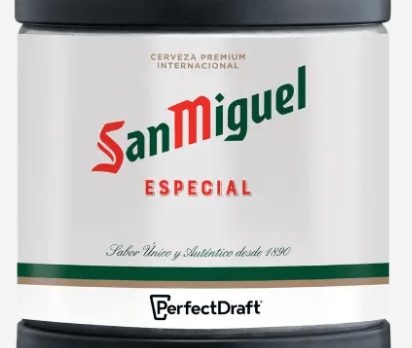
Are beer kegs stainless steel or aluminum? The short answer is that most modern beer kegs are made from stainless steel, while aluminum is far less common and typically limited to older or niche applications. This distinction matters more than it may seem. The material of a keg directly affects durability, pressure resistance, taste preservation, and even long-term sustainability.
PerfectDraft highlights how keg design and material influence the entire beer experience, from storage to pouring. Stainless steel has become the industry standard because it provides a stable, non-reactive environment for beer. Aluminum, while lighter, comes with trade-offs that make it less suitable for modern keg systems. Understanding these differences helps explain how beer stays fresh and flavorful from brewery to glass.

What materials are beer kegs made from, and why does it matter?
Beer kegs are primarily made from stainless steel, and this choice is intentional. Stainless steel combines strength, corrosion resistance, and a neutral surface that does not affect the beer’s flavor. This neutrality comes from a process called passivation, where a thin protective layer forms on the surface, preventing chemical reactions between the metal and the liquid inside.
Aluminum has been used in the past and still appears in certain contexts, but it behaves differently. It is softer, more prone to dents, and requires internal coatings to prevent direct contact with beer. Without these coatings, aluminum could alter the taste due to its higher reactivity. This is why most brewers favor stainless steel for consistent results.
The choice of material impacts several key factors:
- Flavor stability: stainless steel prevents unwanted metallic notes
- Hygiene: smooth, non-porous surfaces allow thorough cleaning
- Longevity: kegs withstand repeated filling and washing cycles
- Pressure resistance: essential for maintaining carbonation
PerfectDraft systems rely on these same principles. The goal is to protect beer from oxygen, light, and contaminants. Even minor differences in material permeability can affect freshness. Stainless steel’s durability and low permeability make it ideal for preserving beer quality over time.
Most modern beer kegs used in professional brewing and dispensing systems are made from stainless steel because they preserve taste and withstand repeated use.

Are beer kegs stainless steel or aluminum in modern brewing systems?
In today’s brewing and distribution systems, the answer to “are beer kegs stainless steel or aluminum” is overwhelmingly stainless steel. Breweries, distributors, and bars rely on kegs that can endure constant transport, stacking, and pressurization without compromising the beer inside.
Aluminum is far more common in beer cans than in kegs, which can sometimes cause confusion. While aluminum cans are designed for single use and include internal linings, kegs are built for repeated use and must meet much higher durability standards. Even a small dent in a keg can affect sealing or pressure, which is why stainless steel is preferred.
That said, aluminum kegs do exist. They are typically found in disposable systems, specialized lightweight applications, or older distribution setups.
PerfectDraft reflects current industry practices by focusing on systems that ensure consistent quality and usability. Stainless steel kegs integrate seamlessly into modern logistics, where efficiency and reuse are essential. They can handle hundreds of cycles without significant wear—something aluminum struggles to achieve.
Another important aspect is compatibility with dispensing systems. Beer machines rely on stable pressure and airtight connections. Stainless steel kegs maintain these conditions more reliably, reducing the risk of leaks or inconsistent pours.
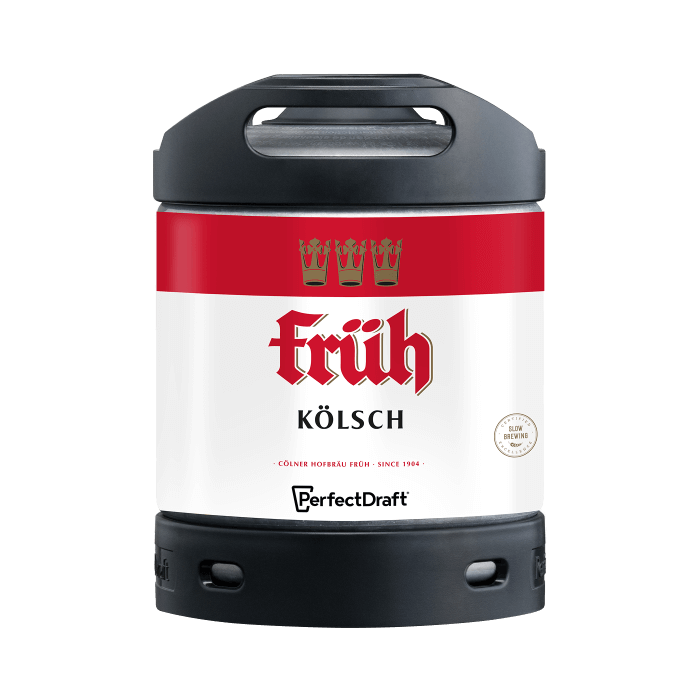
PerfectDraft insights: how keg material impacts freshness, reuse, and sustainability
PerfectDraft emphasizes that keg material is not just a technical detail—it directly influences how beer tastes and how long it stays fresh. Stainless steel kegs create a sealed environment that protects beer from oxygen and light, both of which can degrade flavor and aroma.
Freshness also depends on cleanliness. Stainless steel supports intensive cleaning processes using high temperatures and specialized solutions. Its surface remains stable and non-reactive even after repeated sanitation cycles. Aluminum, in contrast, depends on internal linings that can wear down over time.
From a sustainability perspective, stainless steel kegs offer clear advantages. They are designed for long-term reuse and can last for decades. While their production requires energy, their extended lifespan offsets this initial impact. Aluminum kegs may be lighter, but their shorter lifecycle often leads to more frequent replacement.
Stainless steel kegs support long-term reuse and consistent beer quality, making them the preferred choice for both professionals and home systems.
PerfectDraft aligns with this approach by prioritizing durable, reusable components that reduce waste. A single stainless steel keg can be refilled and reused hundreds of times, significantly lowering the environmental footprint of beer distribution.
Are beer kegs stainless steel or aluminum when comparing durability and cost?
When evaluating durability and cost, the question “are beer kegs stainless steel or aluminum” becomes more nuanced. Stainless steel kegs require a higher upfront investment but offer exceptional longevity. Their resistance to dents, corrosion, and pressure stress makes them a reliable long-term solution.
Aluminum kegs, while lighter and sometimes less expensive initially, are more vulnerable to damage. A single impact can deform the structure, potentially affecting performance. Over time, this can result in higher replacement costs despite the lower initial price.
In practice, durability and reliability outweigh initial savings, which explains why stainless steel dominates modern keg systems.
Transport and handling also play a role. Stainless steel kegs are heavier, which can increase shipping effort, but their durability reduces losses caused by damage. For businesses managing large volumes, this trade-off strongly favors stainless steel.
PerfectDraft illustrates how reliability and longevity are more valuable than short-term savings. Whether used in a professional setting or at home, stainless steel kegs deliver consistent performance and peace of mind—explaining their continued dominance in real-world applications.
Find many answers to theses questions ! Can a beer keg explode ?, Can a keg of beer freeze ?, Can beer go bad in a keg ?, Can beer kegs freeze ?, Are beer kegs made of aluminum ? and Can you ferment beer in a keg ?