

Are beer kegs stainless steel ?
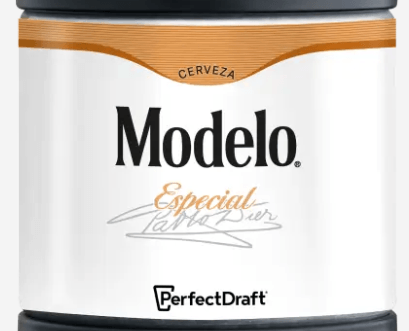
Are beer kegs in aluminum ? or in other material ? PerfectDraft has brought the world of draft beer into the home, and one question keeps coming up among curious users: are beer kegs stainless steel? It may sound simple, but the answer has a few important nuances. Whether you’re pouring from a bar setup or a home machine, the material of a keg directly impacts freshness, safety, and even taste.
Beer kegs are not just containers—they are engineered vessels designed to handle pressure, preserve flavor, and withstand transport. From traditional brewery operations to systems like PerfectDraft, the choice of material plays a key role in how beer reaches your glass. So, are all kegs made from stainless steel, or is there more to the story?
Understanding keg materials and their importance
To answer the question “are beer kegs stainless steel,” it’s helpful to start with the basics. Most modern beer kegs are indeed made from stainless steel, and this is no coincidence. Stainless steel combines durability, hygiene, and corrosion resistance. Most importantly, it does not react with beer—an essential quality when preserving delicate flavor profiles.
Historically, kegs were made from wood, but those days are long gone. Today, stainless steel dominates because it can withstand the high internal pressure created by carbonation. Beer relies on that pressure to maintain its texture and freshness, and the keg must contain it reliably.
That said, stainless steel is not the only material used. Some kegs are made from aluminum, which is lighter but less durable over time. Others are made from plastic, particularly for single-use or limited distribution. These alternatives can reduce costs and simplify logistics, but they do not always match the longevity and performance of steel.

Key factors when evaluating keg materials include:
- Resistance to corrosion and chemical reactions
- Ability to maintain internal pressure
- Ease of cleaning and sanitation
- Durability over repeated use
- Impact on beer flavor preservation
Stainless steel meets all these requirements, which explains its widespread use across the brewing industry. Breweries rely on it to keep beer stable from filling to serving—even after many reuse cycles.
Are beer kegs stainless steel, or are other materials used?
So, are beer kegs stainless steel in every case? Not entirely. While stainless steel is the dominant material in professional brewing, other options exist for specific use cases.
Plastic kegs—often called one-way kegs—are increasingly used in global distribution. They are lightweight and eliminate the need for return logistics. Once empty, they can be recycled or discarded depending on the system. These kegs are ideal for exports or events but are not designed for repeated use.
Aluminum kegs are another alternative, though less common. They offer reduced weight, making handling and transport easier. However, aluminum is more prone to wear and does not always provide the same long-term reliability as stainless steel.
Most commercial beer kegs are made of stainless steel, but materials like plastic and aluminum are used in situations where convenience or cost is prioritized over durability.
This variation can sometimes cause confusion. Different keg types seen in home systems or at events may look similar, but the material often reflects how the keg is intended to be used—not the quality of the beer itself.
In bars and breweries, stainless steel remains the standard due to its strength, reusability, and strict hygiene compliance. Plastic kegs are more disposable, while aluminum sits somewhere in between.

Why stainless steel is the preferred material for beer kegs
There’s a reason stainless steel is the default answer to “are beer kegs stainless steel.” Its properties make it uniquely suited for storing and serving beer.
First, stainless steel is non-reactive. Beer contains acids and delicate aromatic compounds, and any interaction with the container could alter its taste. Stainless steel preserves the brewer’s intended flavor.
Second, it is easy to clean and sanitize. Hygiene is critical in brewing, and stainless steel can be thoroughly cleaned without degrading, reducing the risk of contamination. This is especially important for kegs that are reused many times.
Its durability also makes it a long-lasting and reliable solution for breweries and bars. Stainless steel kegs can last for decades, resisting dents, rust, and structural fatigue.
Another major advantage is pressure resistance. Beer kegs must handle significant internal pressure, and stainless steel maintains its integrity without deformation. This ensures proper carbonation and safe operation.
In regulated environments, stainless steel is often preferred because of its proven safety and consistency under demanding conditions.
Are beer kegs stainless steel in PerfectDraft systems?
When it comes to home systems, the answer to “are beer kegs stainless steel” becomes more nuanced. PerfectDraft kegs are designed for convenience, performance, and compatibility with the machine, which influences their construction.
PerfectDraft uses specialized kegs that differ from traditional stainless steel kegs used in breweries. These kegs are typically intended for single or limited use and are optimized for ease of handling and integration with the system.
This does not compromise quality. The design still protects the beer from light and oxygen while maintaining internal pressure. The goal is to deliver a fresh, consistent pour without requiring heavy, industrial-grade materials.
For users, this means lighter kegs, easier installation, and better suitability for home environments where space and convenience matter.
Some beer enthusiasts may notice differences compared to reusable stainless steel kegs, but this reflects different use cases rather than differences in beer quality.
So, are beer kegs stainless steel in PerfectDraft systems? Sometimes—but often not, depending on the design. The priority remains the same: keeping beer fresh, pressurized, and enjoyable from the first pour to the last.
Find many answers to theses questions ! Can a beer keg explode ?, Can a keg of beer freeze ?, Are beer kegs pressurized ?, Can beer kegs freeze ?, Can you buy a keg of non alcoholic beer ? and Can you ferment beer in a keg ?